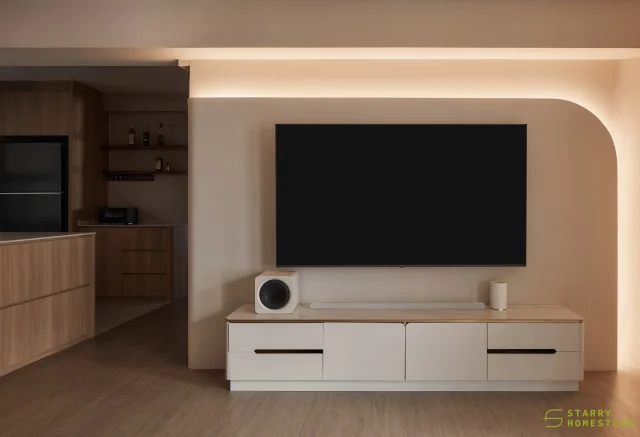
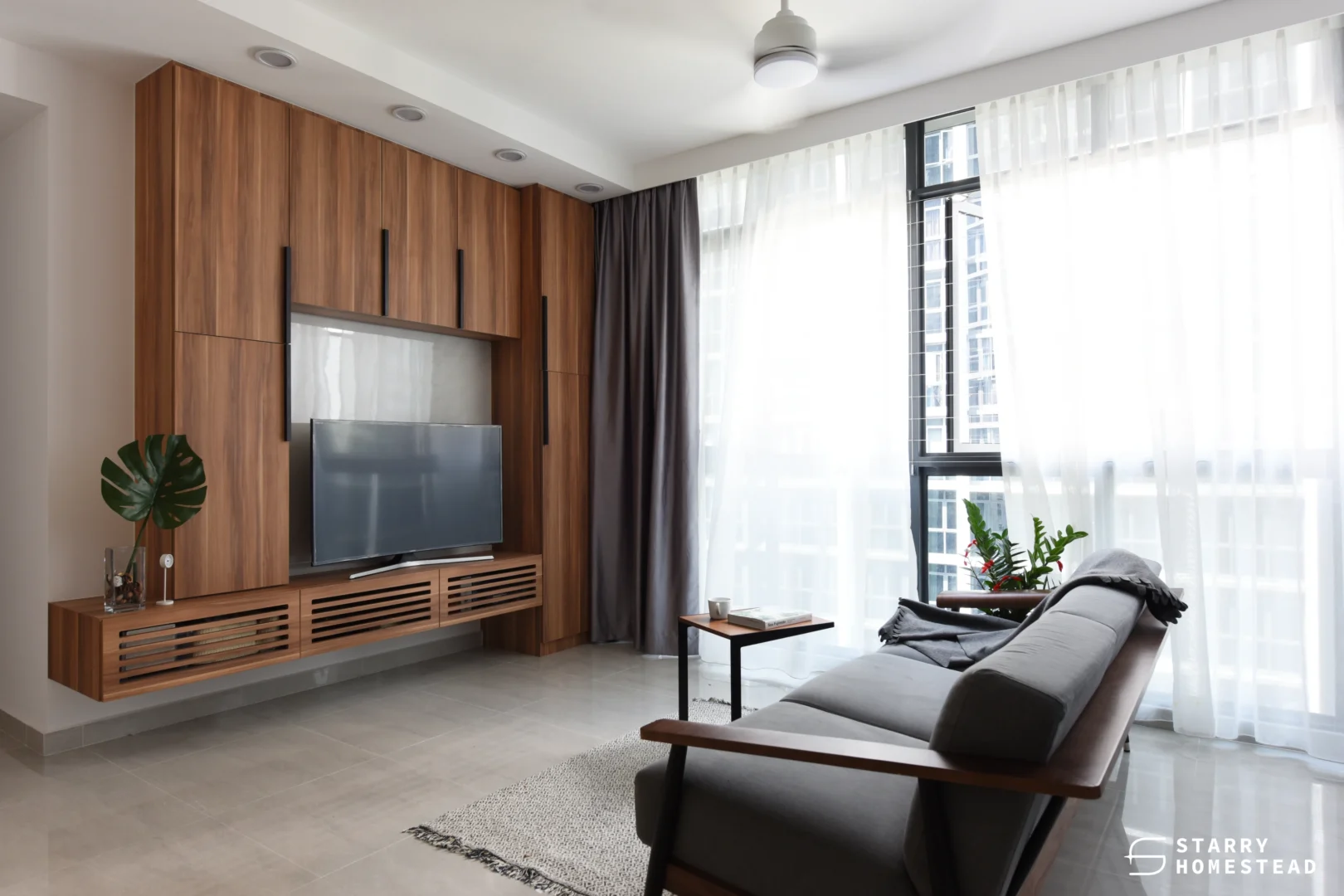
 Balinese-style interior design captures the spirit of island living in Bali, where homes feel open, grounded, and closely tied to nature. Rooted in cultural traditions, this concept values balance between comfort, beauty, and spirituality.
To introduce this design at home, you can opt for solid-wood furniture, woven accents, and lush greenery. Complement these with carved décor, soft ambient lighting, and airy fabrics to create a tranquil and inviting atmosphere. By thoughtfully layering these elements, you can transform any space into a sanctuary that reflects the harmony and natural charm of Balinese living.
Core Principles of Balinese Interior Design
Balinese interiors are guided by principles that align living spaces with nature, culture, and daily wellbeing.
Key Elements of the Balinese Aesthetic
These elements define the distinctive look of Balinese interior design, guiding material choices, spatial layout, and decorative touches.
- Organic Substances: Incorporate stone, bamboo, rattan, and teak wood for a grounded, earthy feel. Include carved sculptures, woven baskets, and handcrafted items to emphasise material authenticity.
- Open Areas: Use large windows, sliding doors, and open floor plans to connect indoor spaces to the surrounding landscape.
- Earthy Colour Scheme: Stick to neutrals such as beige, cream, brown, and green for a calm atmosphere, and add gold or tropical accents for contrast.
- Coastal Verdure: Introduce plants such as palms, hanging vines, philodendrons, and monstera to create a connection to nature.
Selecting Furniture for a Bali-Themed Space
Choosing the right furniture for a Bali-style interior design means blending functionality with organic forms.
- Wooden Furniture: Opt for solid wood, particularly teak, with clean designs that highlight craftsmanship and durability.
- Bamboo and Rattan Accents: Incorporate cane headboards, woven chairs, and bamboo lamps to add character and a tropical element.
- Sparse Seating: Use low furniture such as pouffes, floor cushions, or low coffee tables to maintain a relaxed atmosphere.
- Canopy Beds: Feature beds draped with light fabrics to create a cosy, intimate feel in bedrooms.
- Nature-Inspired Furniture: Select pieces suitable for both indoor and outdoor use, such as loungers or daybeds.
Styling and Ambience Techniques
Balinese-style interior design focuses on combining light and décor to craft a setting that reflects the island’s traditions and encourages relaxation.
Layering Textures for Warmth
Mixing materials such as woven fabrics, wood carvings, and stone details enhances the room’s character. Layering these elements allows furniture and décor to complement one another while maintaining a cohesive look.
Utilising Cultural Statement Pieces
Incorporate traditional Balinese art to anchor your design. Wooden masks, carved panels, stone statues, or batik fabrics draw attention and reflect the island’s heritage. Strategic placement over seating areas or on walls reinforces authenticity and adds depth to the interior’s cultural expression.
Creating Tranquil Lighting Schemes
Lighting shapes the mood and emphasises architectural features. Use warm pendant lamps, rattan or bamboo fixtures, and candles to provide lighting that complements the furnishings. Layering light sources ensures rooms feel calm and inviting throughout the day and evening.
Using a Calm, Earthy Colour Palette
Adopt a palette of muted whites, beige, and browns as the base, pairing these with dark wooden furniture and greenery. This approach reflects the outdoor environment, maintains a serene atmosphere, and allows accent colours from décor or plants to stand out.
Intentionality and Soulful Simplicity
Every item in a Balinese-inspired interior design should have a purpose, whether functional or aesthetic. Limit decorative pieces to a few artisan pieces, such as hand-carved bowls or wall hangings, to avoid clutter and allow the room to breathe while retaining its character.
Spiritual and Cultural Foundations
Balinese interiors reflect the island’s cultural values, where homes balance human life with nature and spiritual practice. Guided by the Tri Hita Karana philosophy, spaces are designed with open layouts and indigenous materials, linking interiors to the outdoors.
To reinforce this connection and maintain harmony, designers use symmetry and sacred geometry in the placement of furniture and décor. Buildings are designed to blend with their surroundings, using straw roofs, stone paths, and other elements that unify the home with the landscape.
Adapting the Bali Concept for Compact Living
Balinese design can be tailored for compact interiors by combining multifunctional elements, storage, and thoughtful décor.
Choosing Multi-Functional Furniture
Select furniture that serves multiple purposes to maximise space. For instance, a wooden coffee table can double as a workspace, while a rattan bench with built-in storage helps keep the room uncluttered.
Maximising Vertical Greenery
In small spaces, use vertical arrangements such as wall-mounted pots, hanging plants, or tall bamboo stalks to introduce greenery. This will reinforce the connection to nature while keeping the floor clear.
Incorporating Earthy Natural Materials
Integrate materials such as teak, bamboo, rattan, stone, and linen to anchor the design. Even in a compact setting, these elements evoke a grounded and organic atmosphere and can be introduced through furniture, flooring, or decorative items without major renovations.
Selecting Lightweight, Airy Fabrics
Light fabrics, such as cotton or linen, help small rooms feel open. Curtains, pillows, and throws made of these breathable materials help keep spaces from feeling cramped while complementing the Balinese theme.
Curating Simple Focal Decor
Less is more when decorating compact areas. Select one or two pieces, such as a single potted palm, a stone vase, or a carved wood panel, as anchors, and avoid overwhelming the space.
Longevity and Flexibility of the Balinese Interior Design
Balinese interior design remains timeless by promoting conscious living and environmental harmony. The style values simplicity, calm, and organic materials, allowing spaces to evolve while maintaining their character.
Its flexibility makes it suitable for both classic and contemporary interior designs, and it integrates well with other minimalist styles, such as Scandinavian or Japandi interior design, offering homes that are practical, serene, and enduring.
Design Your Serene Space with Starry Homestead
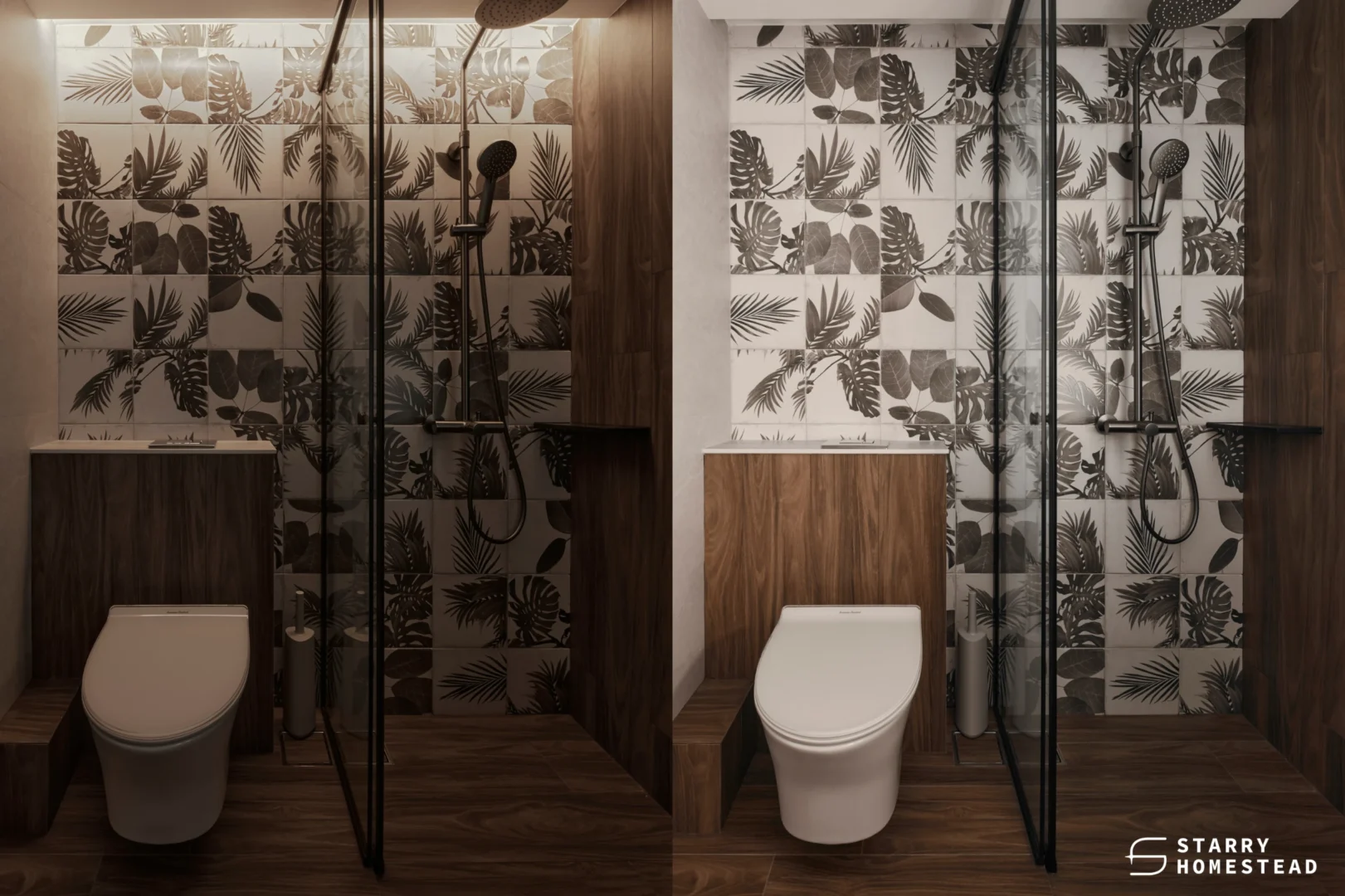 For those undertaking a house renovation in Singapore or looking for designers for a landed house interior design, Starry Homestead brings expertise and creativity to every project, transforming residences into tranquil, personalised spaces.
Get in touch with our award-winning team today and start creating your own Balinese-inspired sanctuary.