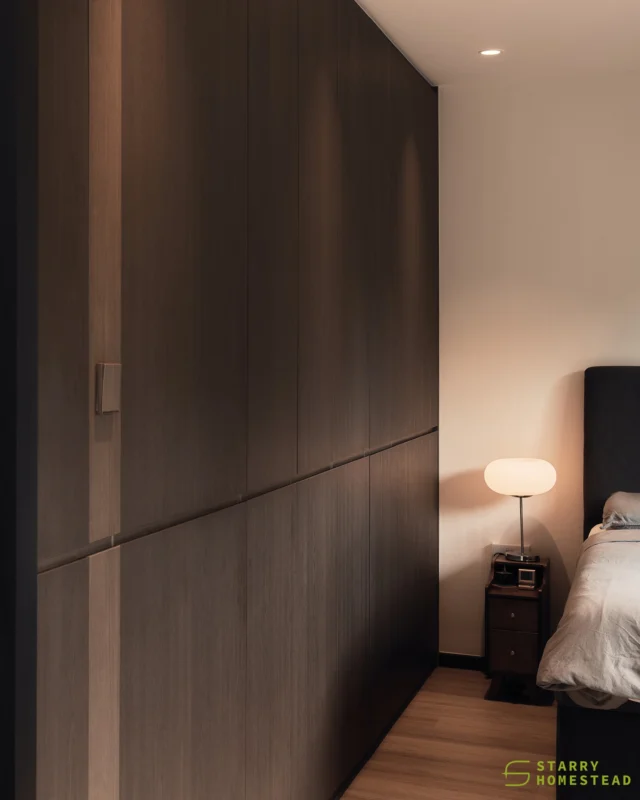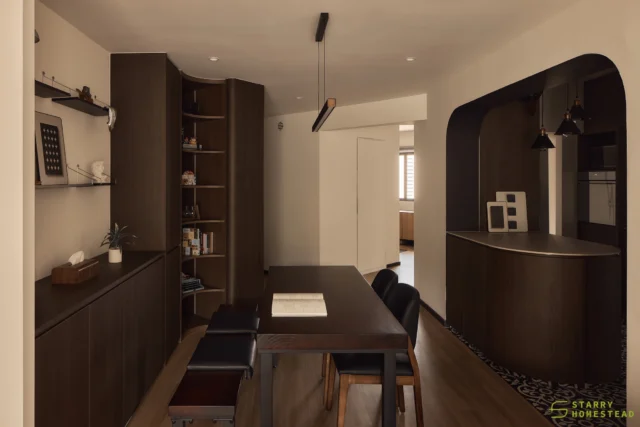
 Scandinavian and minimalist interior design are often conflated in the contemporary zeitgeist, yet they stem from fundamentally different artistic foundations. While both movements advocate for a life unburdened by clutter, their execution of space and choice of materials create entirely distinct spaces.
For instance, Scandinavian interior design focuses on organic tactility and a visceral connection to nature. Minimalism, by contrast, prioritises clean, simple lines defined by industrial finishes. Deciding which approach is ideal for your residence requires a deeper look into their core philosophies.
Defining the Core Principles of Minimalist Styling
Minimalism revolves around stripping an interior to its most basic forms and structures. It is a “less is more” ideology that favours geometric shapes over the distraction of ornamentation.
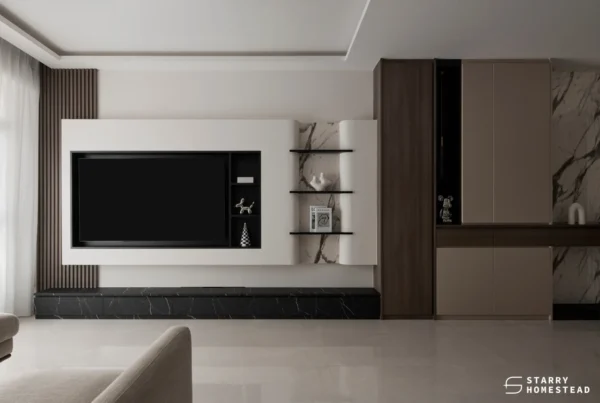
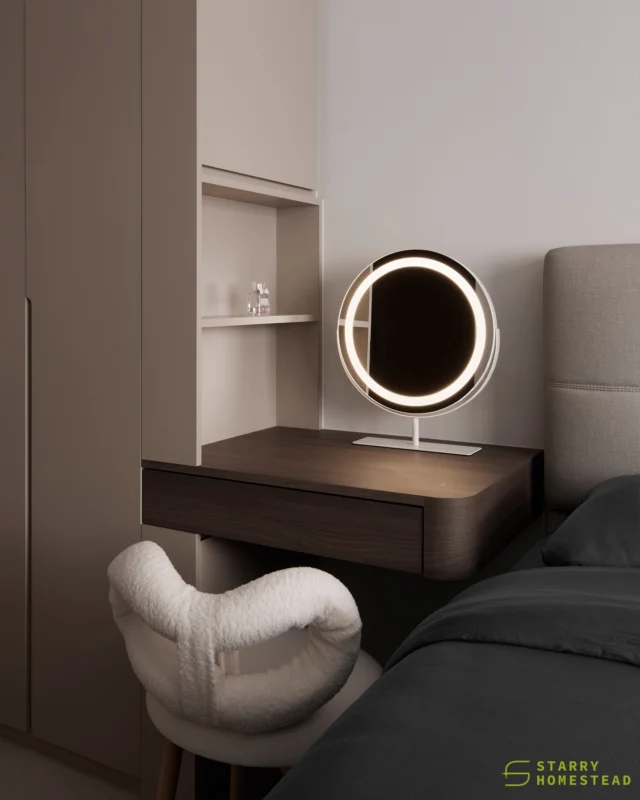
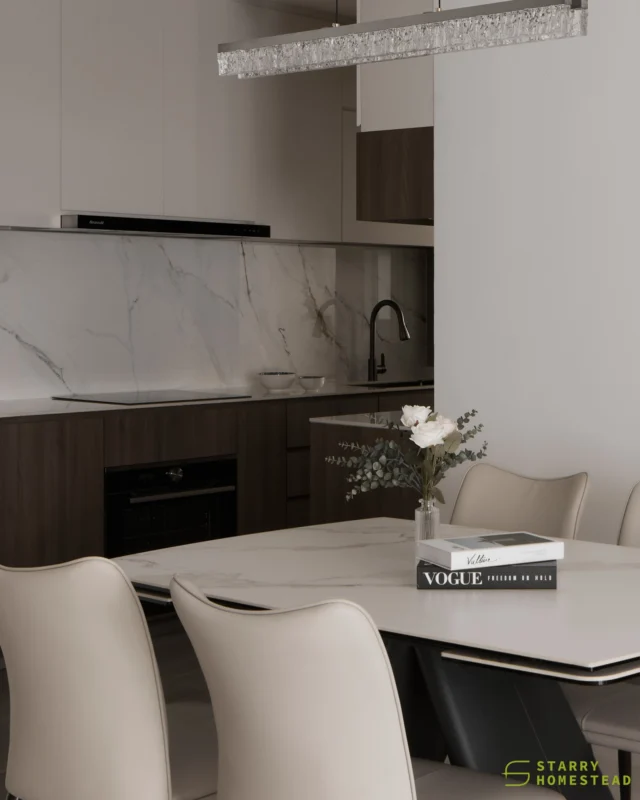
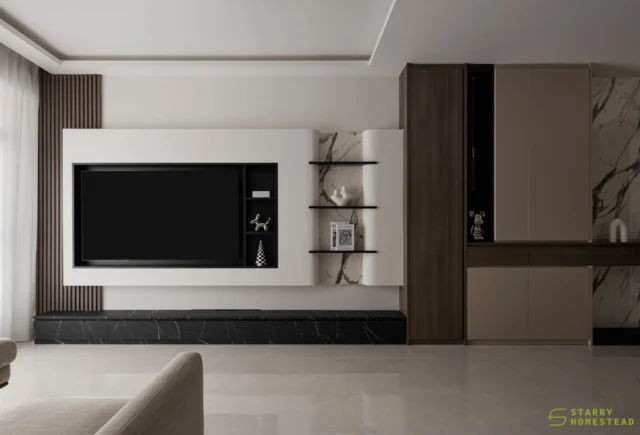
Unlike the softer textures found in a Scandinavian home, minimalist spaces often feature industrial materials like stainless steel and chrome. Through a monochromatic palette, the ultra-minimalist home achieves an uncluttered aesthetic.
Exploring the Foundations of Scandinavian Styling
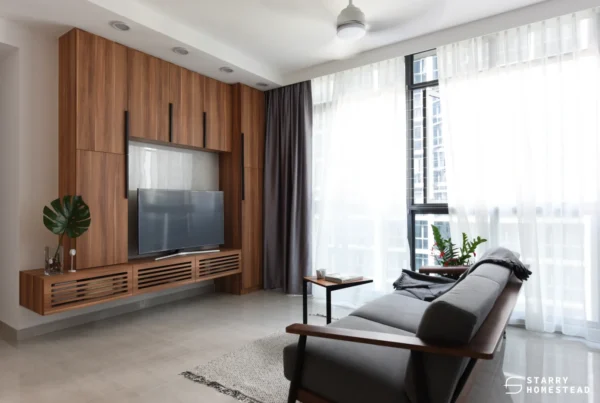
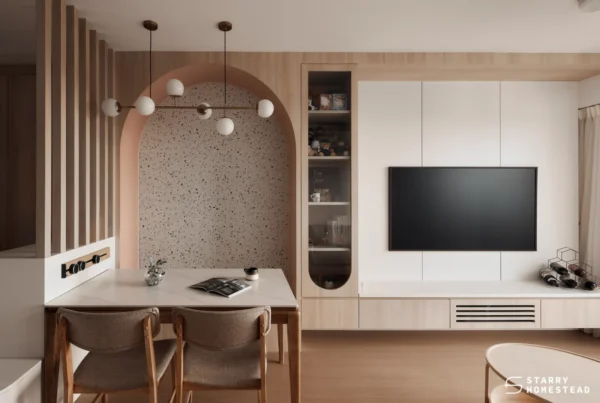
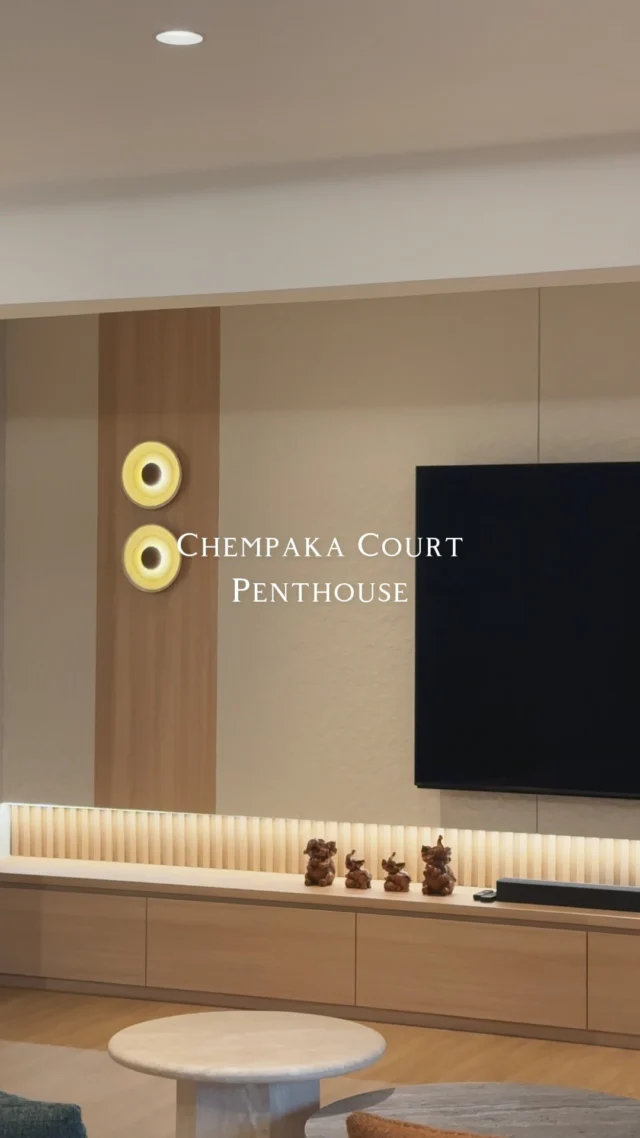
Conversely, the Scandinavian approach celebrates the marriage of practicality and organic living. This style draws heavily from nature, incorporating wood, stone, and soft textiles to introduce warmth.
A neutral palette of white, grey, and beige establishes a serene backdrop, while light-coloured walls help maximise natural illumination. These elements converge to create airy, lived-in environments that feel timeless.
Philosophical Divergences: What is the Difference Between Minimalist and Scandinavian Styles?
At their core, these two styles seek different outcomes for the dweller. Minimalism focuses on reducing the physical world to attain a state of meditative stillness. Scandinavian design seeks to elevate the quality of daily life through organic connection and practical ease.
1. Symbolic Ideology Versus Functional Practicality
In a minimalist setting, space carries a symbolic weight, representing a mind unburdened by distraction. Conversely, Scandinavian interior design views space through a functional perspective. An open layout facilitates daily activities and increases positive energy, ensuring the environment remains a relaxing home atmosphere designed for practical living.
2. Mandatory Simplicity Versus Utilitarian Ease
Minimalism often frames simplicity as a necessity to counter over-consumption, frequently viewing possessions as burdens that must be limited.
Scandinavian styling, however, emphasises simplicity in everyday life. It prioritises making high-quality interior design accessible, encouraging homeowners to take joy in small, well-crafted, and functional objects that serve a clear purpose.
Further Distinctions Between Scandinavian and Minimalist Approaches
Beyond their philosophical foundations, Scandinavian and minimalist styles also differ in their aesthetic and atmospheric approaches:
1. Cultural Origins and Historical Background
Scandinavian design emerged in the early 20th century, aiming to make high-quality living accessible for the average person while combating harsh Nordic winters. In contrast, minimalism gained traction in the post-WWII art world and the 1960s to 1970s. Heavily influenced by Modernist thought and Zen philosophy, it seeks a timeless simplicity that transcends specific regional climates or cultural traditions.
2. Emotional Warmth and Visual Comfort
A signature of Scandinavian spaces is the concept of “hygge”, which prioritises emotional comfort through inviting palettes and soft textiles. This creates a comfortable, homely feel. Minimalism, on the other hand, adopts a more refined aesthetic. By removing almost all decorative cues, it creates a curated environment that values architectural structure.
3. Industrial Textures Versus Organic Materials
Minimalism leans into modern textures, often featuring industrial finishes such as polished concrete, steel, and glass, highlighting architectural precision. Scandinavian interiors showcase organic elements like birch or pine, wool, and leather. These materials ground the space, offering a tactile richness that softens the edges of contemporary interior design ideas.
4. Core Design Philosophies
The Scandinavian approach focuses on well-being, seamlessly blending functional furniture with a sense of relaxation and emotional comfort. It is a design meant for the soul. Minimalism, however, prioritises visual order and the elimination of distraction. The goal is to remove any “extra” elements, leaving only what is essential to maintain a state of perfect, uninterrupted clarity.
5. Approaches to Lighting and Spatial Arrangement
Scandinavian layouts promote fluidity and a strong connection to the outdoors, often using reflective surfaces to bounce limited daylight around a room. Minimalist lighting focuses on hidden illumination and clever storage solutions. This ensures that everyday items remain out of sight, preventing any visual interference with the home’s sleek, geometric silhouette.
Essential Scandinavian Elements Adapted for Any Home
If you are leaning towards Scandinavian interior design, these foundational elements can help you achieve a balanced look that works regardless of your specific stylistic preference.
- Contrast: Create visual interest by pairing sleek, hard surfaces like stone or metal with soft textiles like wool and linen. Mixing light-colored walls with dark, bold accents adds depth and prevents a room from looking flat.
- Multipurpose Furniture: Choose modular sofas that can be rearranged or bed frames with integrated under-bed storage to maximise your floor plan without adding clutter.
- Nature Vignettes: Integrate indoor greenery, sculptural wooden furniture, and sheer window treatments that allow ample natural light to fill the space.
- Handcrafted Quality: Focus on longevity by investing in sturdy, high-quality materials, such as furniture made from real timber or natural leather instead of mass-produced imitations.
Choosing the Aesthetic That Suits Your Lifestyle
 Scandinavian interior design prioritises organic warmth, whereas minimalism focuses on the beauty of the void. While both styles share a common lineage, choosing which aesthetic to adopt depends on your personal preference and how you want your home to feel. Whether you gravitate towards the inviting textures of natural finishes or the sleek look of a minimalist retreat, the goal is to create a space that feels perfectly tailored to you.
Starry Homestead is a full-service design agency, offering creative interior design in Singapore that transforms these global philosophies into bespoke realities for HDBs, condos, and landed properties. Reach out to us today to begin a collaboration that aligns with your vision.