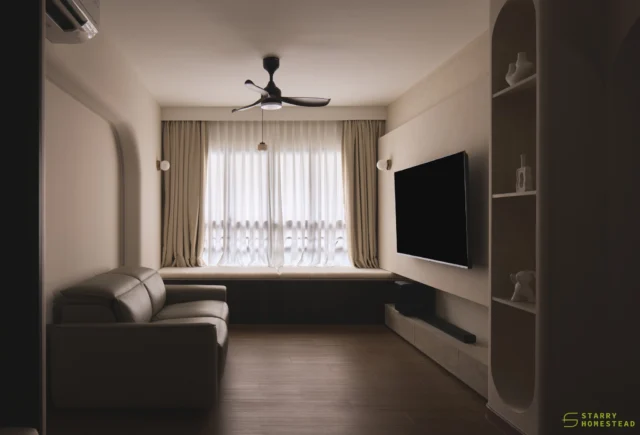
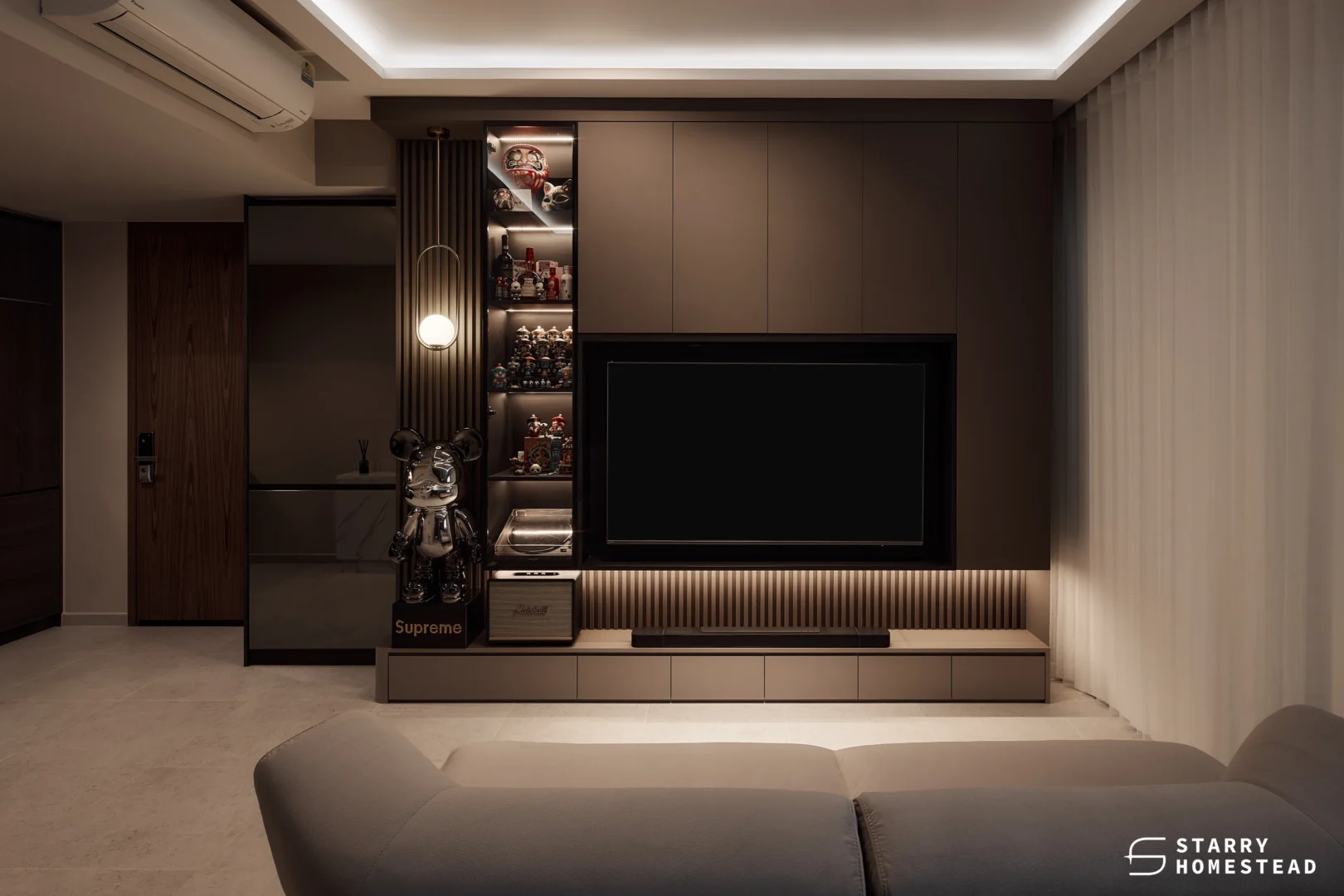
Designing a smart home is about building a unified ecosystem around your lifestyle, starting with a strong network and a central hub such as Apple HomeKit, Google Home, or Amazon Alexa. The high-impact areas to focus on first are lighting, security, and climate control, paired with sensors that enable automated, voice-controlled, or app-controlled functionality.
Smart home integration has become increasingly common across BTO and condominium renovations in Singapore, where homeowners are building these features into their interiors from the outset rather than retrofitting later. A considered home guide to this begins with the design principles, essential components, and future-proofing strategies covered below.
What Is a Smart Home?
A smart home is a residence equipped with internet-connected devices that can be remotely monitored, controlled, and automated through a centralised platform or mobile application.
The defining characteristic is integration. A genuine smart home system links devices so that they communicate with one another and respond to the occupant’s habits and preferences, rather than functioning as a set of disconnected products.
For Singapore homeowners, the practical benefits include energy efficiency, enhanced security, day-to-day convenience, and the ability to manage the home remotely while travelling or at work.
Key Design Principles for a Smart Home
The thinking that shapes a smart home should be settled before any device is purchased or installed. A clear plan keeps the system coherent and avoids the fragmented results that come from buying products one at a time.
- Identify Goals and Budget: Decide whether the priority is energy savings, convenience, or security, then plan for both device costs and any ongoing platform or cloud storage subscriptions.
- Choose an Ecosystem: Select a central platform such as Google Home, Amazon Alexa, or Apple HomeKit so that all devices can connect through a single app and operate together seamlessly.
- Prioritise Network Strength: A high-speed, reliable Wi-Fi network is the foundation of the entire system. For renovations, hardwiring key devices via Cat6 Ethernet provides a more stable and secure connection.
- Start Small and Scalable: Begin with accessible entry points such as smart speakers, plugs, and lighting, then expand to cameras, sensors, and integrated appliances as needs evolve.
Essential Smart Home Components
A well-functioning smart home is built from a few core categories. Not every home needs every component; selection should follow lifestyle priorities.
- Lighting: Smart bulbs or switches that allow for scheduling, dimming, and voice or app-based control, helping the home adapt to different times of day and activities.
- Security: Video doorbells, smart locks, and indoor or outdoor cameras that provide real-time monitoring and remote access from anywhere.
- Climate Control: Smart thermostats and air-conditioning controllers that allow for remote adjustment and automated scheduling, improving both comfort and energy efficiency.
- Automation: Motion sensors that trigger lighting on entry, door sensors that activate scenes or alerts, and routines that link multiple devices under a single command. Smart home automation is at its most useful when these connections run quietly in the background.
Future-Proofing Your Smart Home
The most cost-effective time to future-proof a home is during construction or renovation, before walls are closed up. A skilled HDB interior designer and condo interior designer will often plan for these provisions alongside the main works.
- Wiring: Install a generous number of electrical outlets and run Cat6 data cables to key areas such as the living room, study, and bedrooms during the build, so wired connections are available where needed.
- Smart Switches Over Smart Bulbs: Opt for smart switches rather than smart bulbs where possible. Switches stay accessible to every household member and guest without needing a phone or voice command.
- Compatibility: Prioritise devices that support open standards such as Matter or Thread, which allow products from different brands to work together reliably and reduce the risk of obsolescence as platforms evolve.
Designing Your Smart Home With the Right Partner
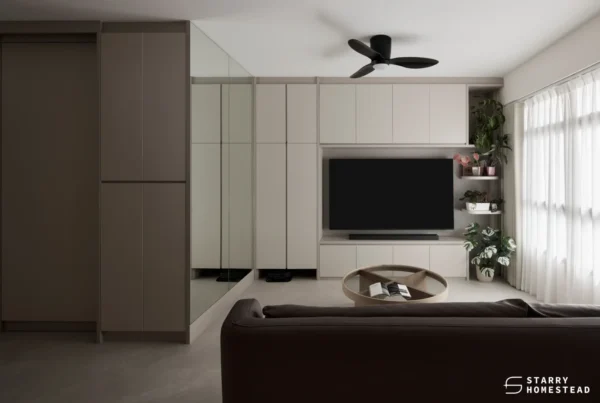
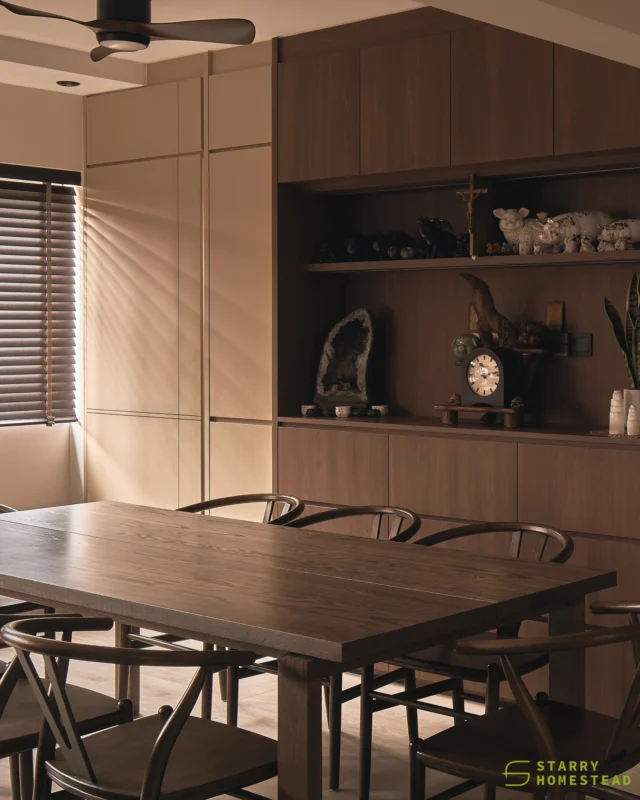
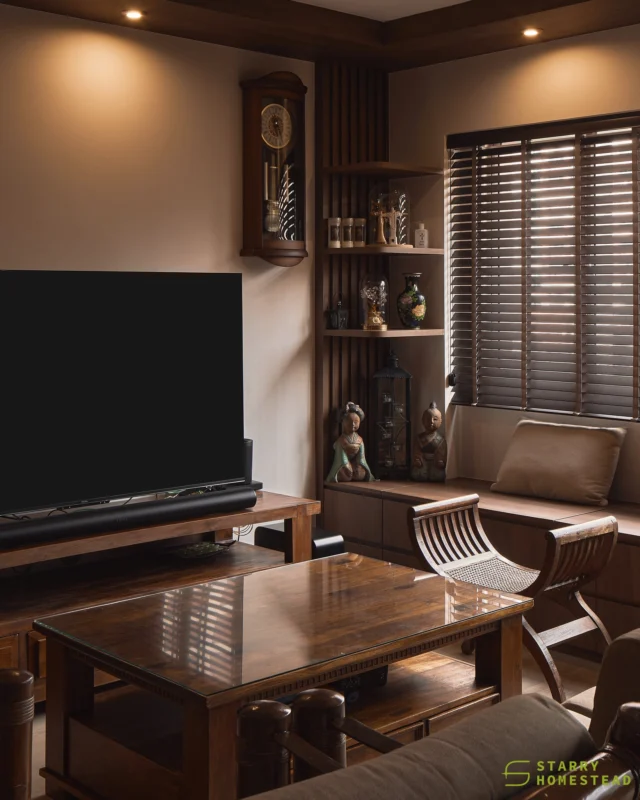
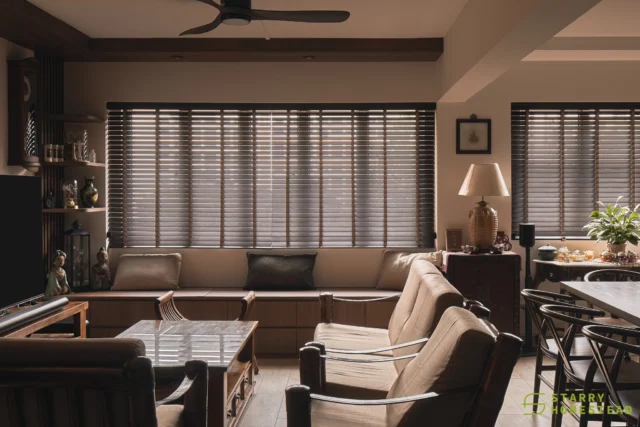
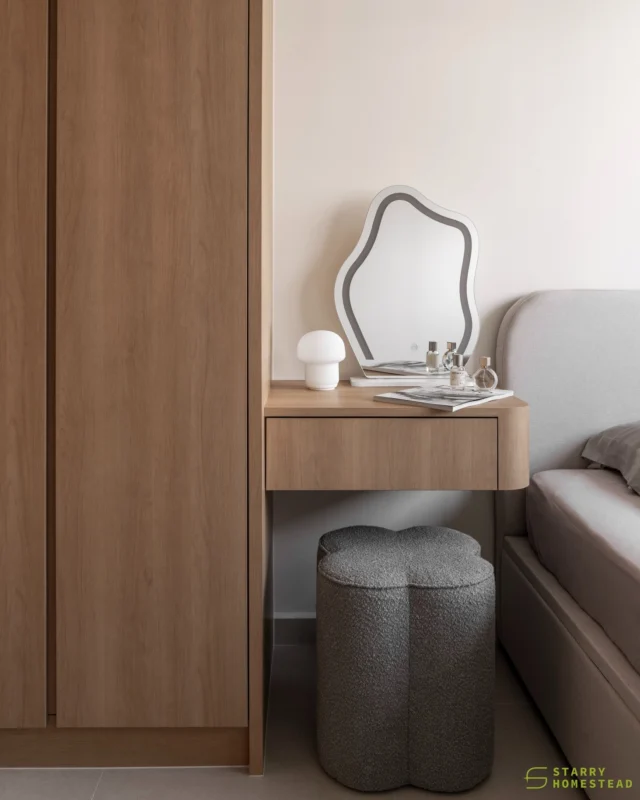
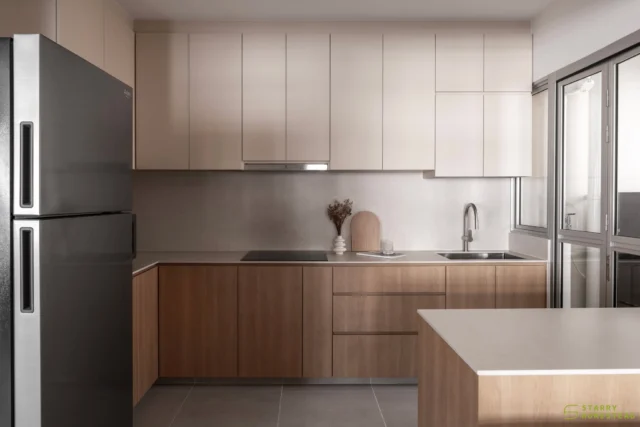
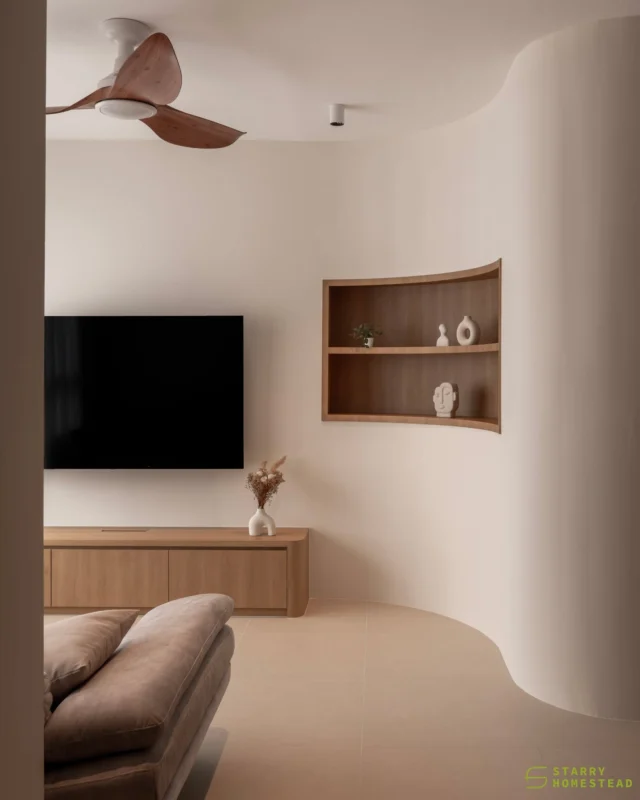
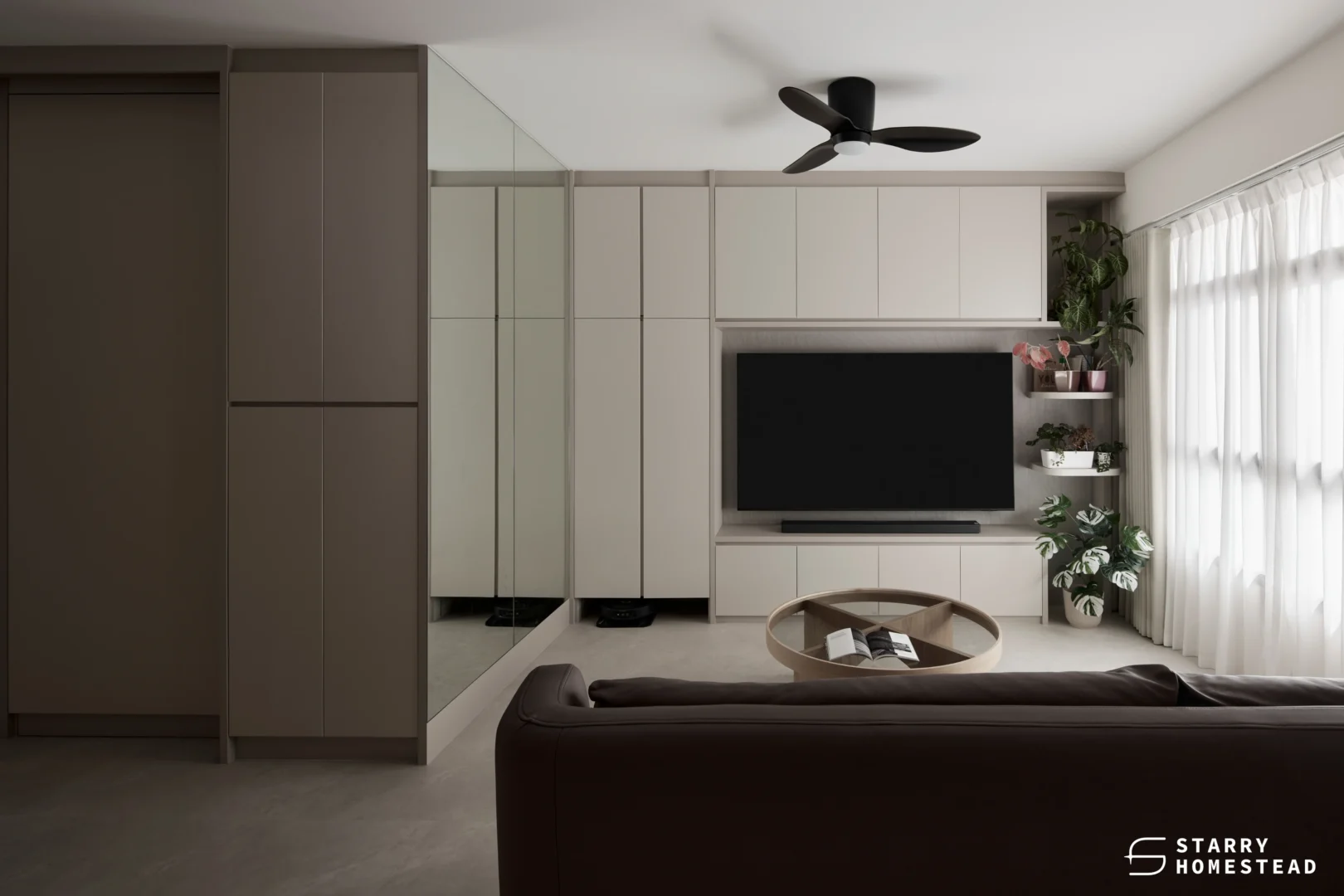
A well-designed smart home begins long before the devices are installed. The spatial layout, electrical infrastructure, and overall design aesthetic all need to be planned together so the technology integrates with the interior rather than disrupting it — much like this seamless smart home execution where the tech is practically invisible.
Starry Homestead works on residential interior design in Singapore across HDB, condo, and landed property projects, including landed property interior design in Singapore, where smart home requirements are often more extensive.
For homeowners exploring smart home solutions as part of a renovation, speak with our designers today to plan an approach that fits your space and design intent.