One of the biggest decisions you will make during your home renovation is choosing the right flooring. Besides influencing the overall look of your home, your flooring also affects comfort, maintenance, durability, and your renovation budget. In Singapore, tiles and vinyl flooring remain two of the most popular flooring options for HDB flats and condominiums. While both have their advantages, the better choice depends on your lifestyle, budget, and the areas of your home you are renovating.
In this guide, we will compare tiles and vinyl flooring to help you understand the differences.
What Are Floor Tiles?
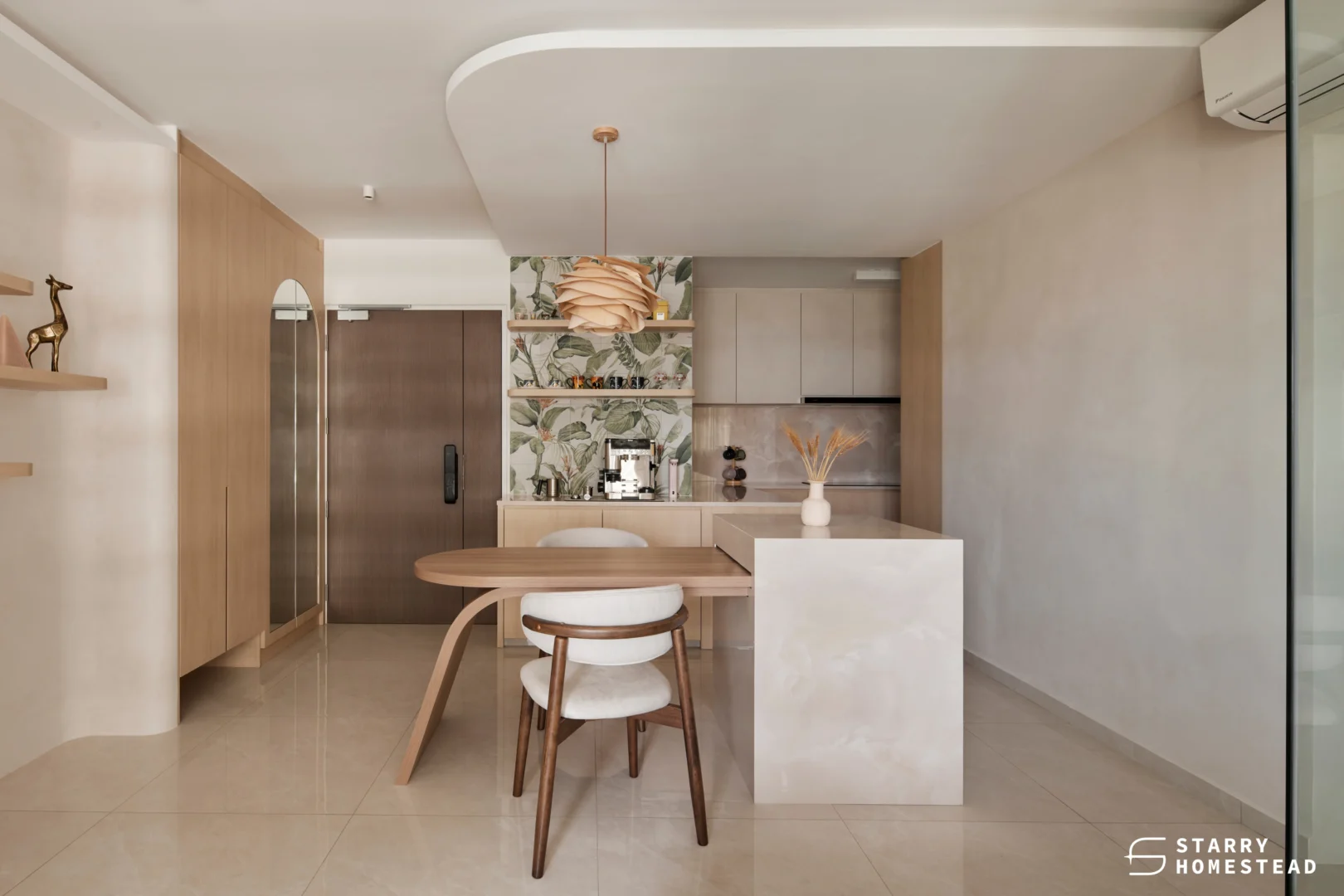
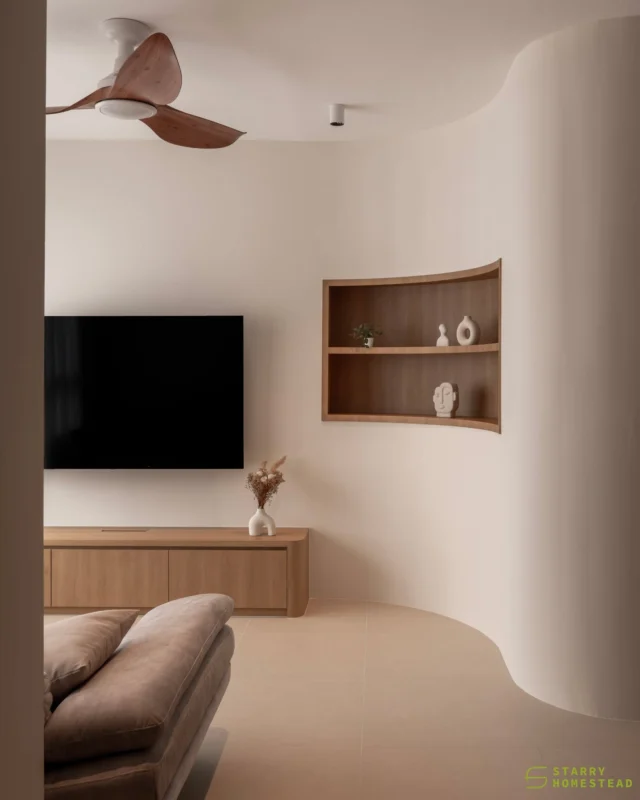
Floor tiles have long been a popular flooring choice for HDB flats, condominiums, and landed homes in Singapore due to their durability, versatility, and timeless appeal. Available in a wide range of materials, colours, textures, and sizes, floor tiles can complement virtually any interior design style—from modern minimalist and Japandi to luxury contemporary. Typically made from ceramic, porcelain, or natural stone, floor tiles are designed to withstand daily wear and tear while providing excellent resistance to water, heat, and scratches. Their long lifespan and low maintenance requirements make them a practical choice for both dry and wet areas, including living rooms, kitchens, bathrooms, and service yards. Best recommended for areas like the living room, dining area, kitchen, bathrooms and service yard.
Advantages of Tiles
✅ Extremely durable
✅ Excellent water resistance
✅ Highly resistant to scratches
✅ Excellent heat resistance
✅ Suitable for both indoor and outdoor areas
✅ Wide range of colours, textures and large-format designs
Disadvantages of Tiles
❌ Higher installation cost
❌ Longer renovation timeline
❌ Harder surface underfoot
❌ Chipped or cracked tiles can be more difficult to match years later
What is Vinyl Flooring?
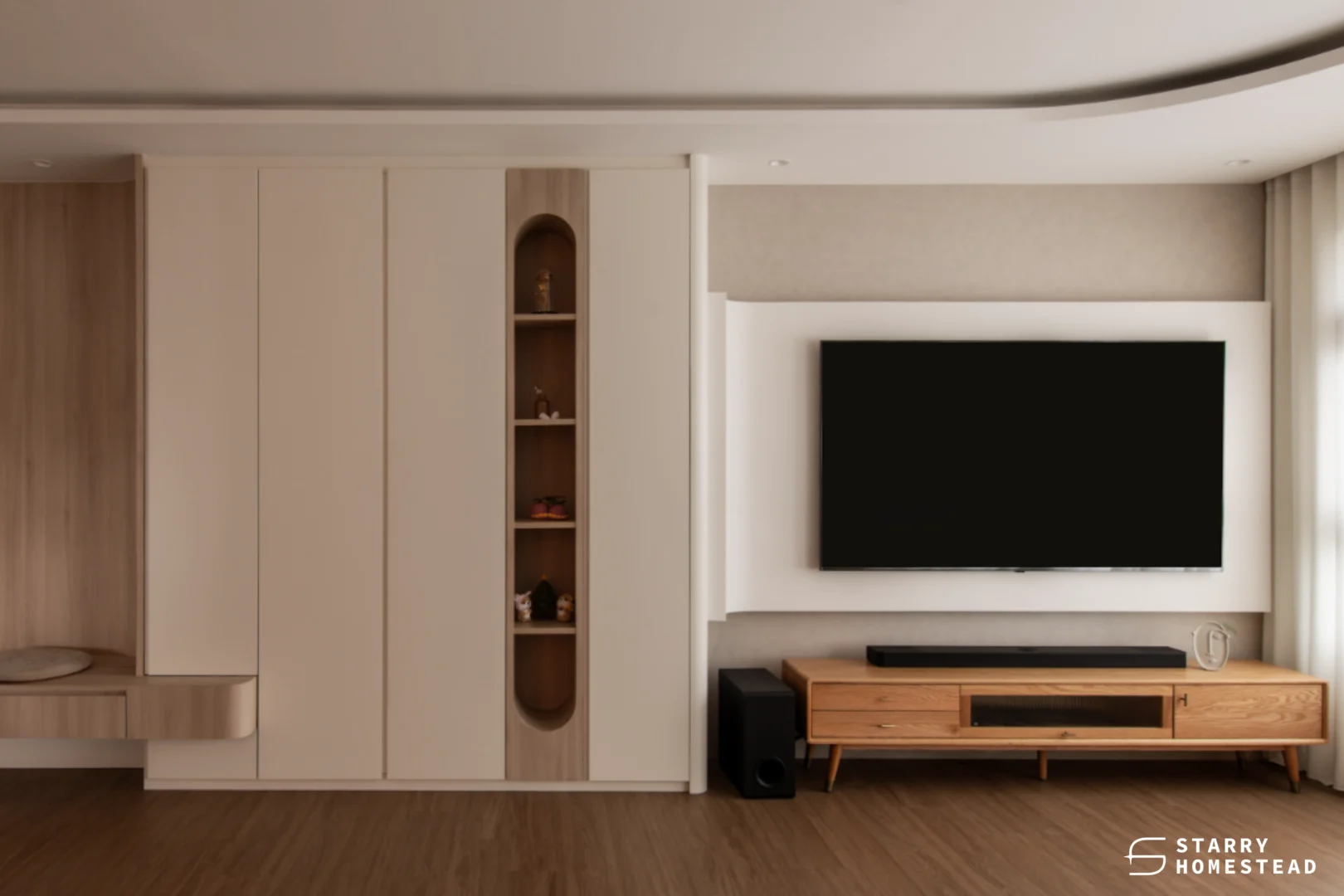
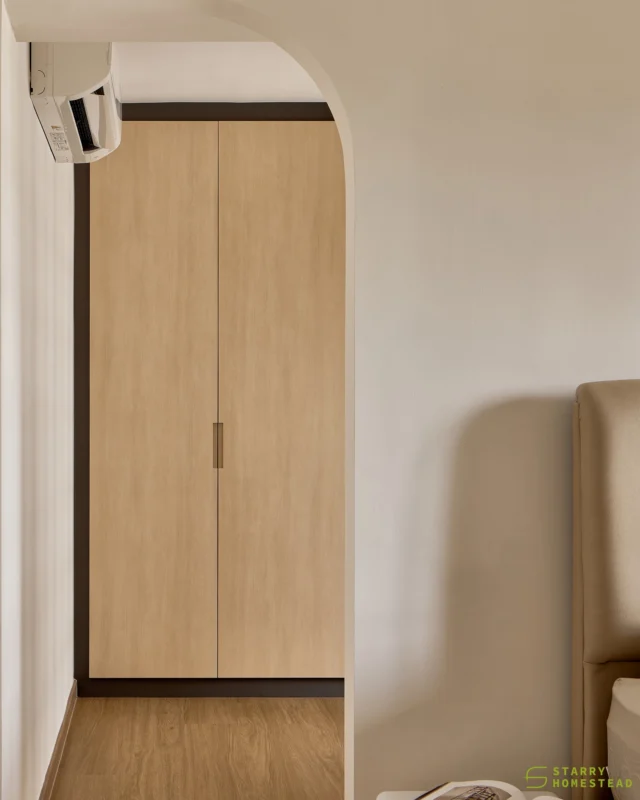
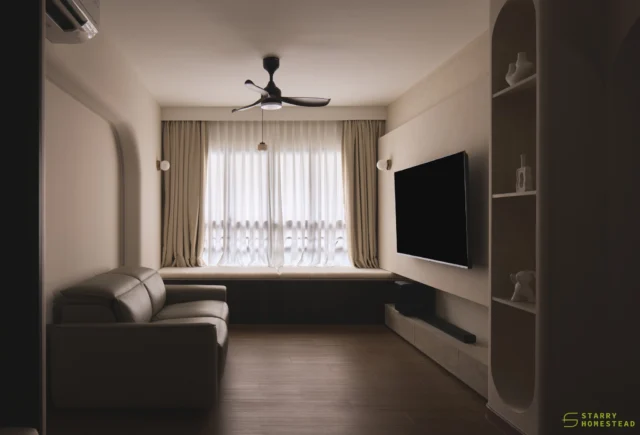
Vinyl flooring is one of the most popular flooring choices for HDB flats and condominiums in Singapore. Known for its affordability, durability, and wide range of designs, it offers homeowners a practical solution that combines style with everyday functionality. Designed to replicate the appearance of natural materials such as timber, stone, and concrete, modern vinyl flooring provides an attractive finish without the higher cost or maintenance requirements of traditional flooring materials. It is also comfortable underfoot, easy to maintain, and quick to install, making it a popular option for living rooms, bedrooms, and other dry areas of the home. Whether you’re renovating a new BTO, resale flat, or condominium, vinyl flooring is worth considering if you’re looking for a flooring solution that balances aesthetics, comfort, and value. Best recommended for areas like the living room, dining area and bedrooms.
Advantages of Vinyl Flooring
✅ Comfortable underfoot
✅ Warmer than tiles
✅ Quieter when walking
✅ Faster installation
✅ Wide variety of wood-look finishes
✅ Lower renovation cost
✅ Easy to clean and maintain
Disadvantages of Vinyl Flooring
❌ Can be damaged by sharp objects or heavy impacts
❌ Less heat-resistant than tiles
❌ Lower-quality products may wear out faster
❌ Standing water should be cleaned promptly to avoid potential issues at joints
Cost Comparison
For homeowners on a tighter budget, vinyl flooring is generally the more economical option due to lower material and installation costs.
Tiles often cost more because installation involves screeding, tiling, grouting, and longer labour hours.
However, flooring costs vary depending on:
- Flooring material selected
- Brand and quality
- Floor condition
- Installation complexity
- Size of the renovation area
It is always advisable to compare quotations based on the complete scope of work rather than material prices alone.
Durability
If durability is your top priority, tiles have the advantage. Porcelain tiles can last for decades with proper installation and maintenance. They resist scratches, moisture, and heavy daily use, making them ideal for busy households. Vinyl flooring is also durable but generally has a shorter lifespan. Higher-quality vinyl products perform well in everyday conditions, though heavy furniture, sharp objects, or improper installation may affect longevity.
Water Resistance
Singapore’s humid climate makes water resistance an important consideration. Tiles are naturally water-resistant, making them the preferred option for bathrooms, kitchens, and service yards. Modern vinyl flooring offers good water resistance, but prolonged standing water or moisture entering through joints may cause issues depending on the product and installation method.
Maintenance
Both flooring options are relatively easy to maintain.
For vinyl flooring:
- Sweep or vacuum regularly to remove dust, dirt, and small debris that may cause scratches
- Mop with a damp microfibre mop using a mild, pH-neutral floor cleaner
- Avoid using excessive water, as standing water can seep into joints over time
- Clean spills promptly to prevent staining and minimise moisture exposure
- Avoid harsh chemicals such as bleach, ammonia, or abrasive cleaners, as they may damage the protective wear layer
- Place felt pads under furniture legs to reduce the risk of scratches when moving furniture
- Use entrance mats at doorways to minimise dirt, sand, and grit being tracked into your home
- Avoid dragging heavy furniture across the floor. Lift items instead or use furniture sliders to prevent dents or scratches
For tile flooring:
- Sweep or vacuum regularly to remove dust, dirt, and grit that can dull the tile surface over time
- Mop with a mild, pH-neutral floor cleaner to remove stains and everyday dirt while preserving the finish
- Wipe up spills promptly, especially on natural stone tiles, to help prevent staining
- Avoid harsh chemicals or abrasive cleaning tools, as these may damage certain tile finishes or grout
- Clean grout lines periodically using a suitable grout cleaner to prevent the build-up of mould, mildew, and dirt
- Place felt pads under furniture legs to minimise the risk of scratches or chips when moving furniture
- Avoid dropping heavy objects on tiled floors, as a strong impact may cause tiles to crack or chip
Comfort
This is where many homeowners notice the biggest difference. Vinyl feels softer, warmer, and slightly cushioned, making it more comfortable for families with young children or those who spend long periods standing. Tiles provide a firm surface and naturally feel cooler, which many homeowners appreciate in Singapore’s tropical climate.
So, Tiles or Vinyl Flooring?
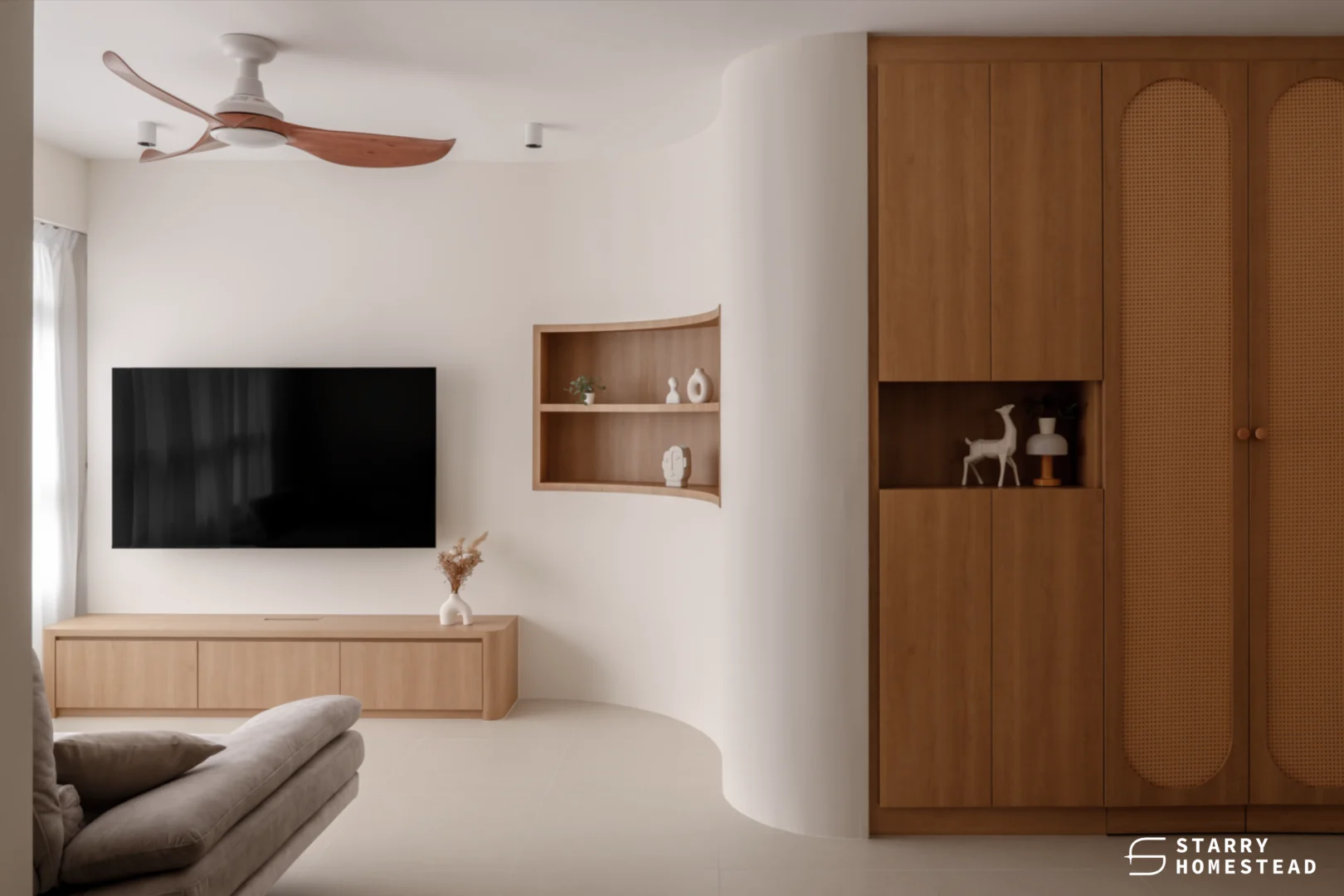
There is no single “best” flooring material, only the one that best suits your needs.
Choose vinyl flooring if you:
- Prefer a warm, comfortable feel underfoot
- Want a wood-inspired aesthetic
- Have a tighter renovation budget
- Prefer a faster installation process
Choose tiles if you:
- Prioritise long-term durability
- Need excellent water and heat resistance
- Prefer a timeless flooring option
- Are renovating kitchens, bathrooms, or service yards
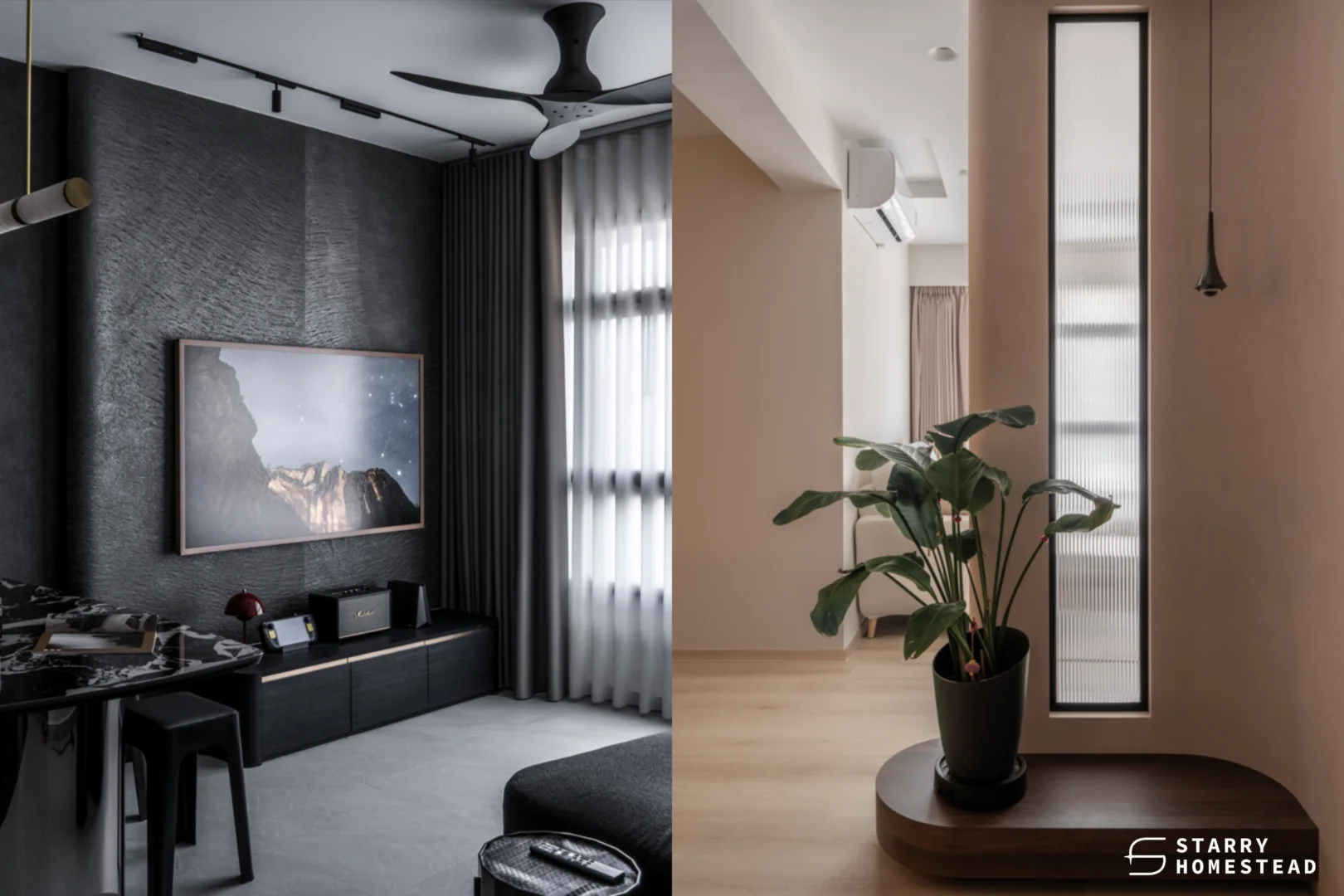
Many Singapore homeowners enjoy the best of both worlds by combining vinyl flooring in dry areas with tiles in wet areas.
At Starry Homestead, we help homeowners select flooring materials that balance design, durability, functionality, and budget. Whether you are renovating a new BTO, resale flat, or condominium, our designers can recommend flooring solutions tailored to your lifestyle and home.
Planning your renovation? Book an appointment with us for a personalised design consultation and let us help you create a home that is aesthetically beautiful, practical, and built to last.