Mirrors are among the most versatile tools in interior design. They alter how a space feels without structural change, which makes them particularly suited to Singapore homes where floor space is often limited. A considered placement can shift the perception of depth, redirect natural light, and add a visual element that pulls a scheme together. Getting those decisions right comes down to four considerations: placement, scale, frame and shape, and how each shifts depending on the room.
What a Mirror Actually Does in a Space
Decorating with mirrors works because a mirror performs two functions at once. It reflects light, reducing reliance on artificial lighting during the day. It also creates depth, making a compact interior feel more open than its floor plan suggests. In a Singapore flat, those two effects often compound. The mirror that bounces morning light across your living room also makes the room read as wider.
The frame, shape, and placement each contribute to the visual character of the room. A mirror is not a passive addition. It participates in the scheme around it.
Getting Placement Right
Position matters as much as the piece itself. A few of the most effective placements:
- Opposite a Window: This maximises natural light reflection and works in almost any room with a clear exterior opening.
- At the End of a Corridor: Placed here, a mirror draws the eye and visually extends the length of the space.
- In the Foyer: Entry mirrors create a welcoming sense of depth and serve a practical function at the same time.
A mirror doubles whatever it reflects. Placing one opposite a cluttered area creates more visual noise rather than calm. Height matters too. A mirror hung too high or too low disrupts the proportion of the wall it occupies.
Choosing the Right Size
A mirror that is too small for its wall reads as an afterthought. When in doubt, err toward the larger scale. In compact spaces, an oversized mirror makes the strongest visual impact. A full-length mirror in your bedroom or dressing area serves both proportion and daily function.
In a living room, a large mirror anchored above a console or sideboard creates a grounded, gallery-like effect. The scale gives the piece presence without overwhelming the room.
Mirror Feature Wall Ideas
- Single Large-Format Mirror: A single oversized mirror can serve as a feature wall in its own right, particularly effective in dining rooms and living rooms where one strong focal point anchors the space.
- Grouped Arrangements: Mirrors of varying shapes and sizes, clustered together, create a curated gallery wall effect that suits spaces where a more personal, layered aesthetic is the main idea.
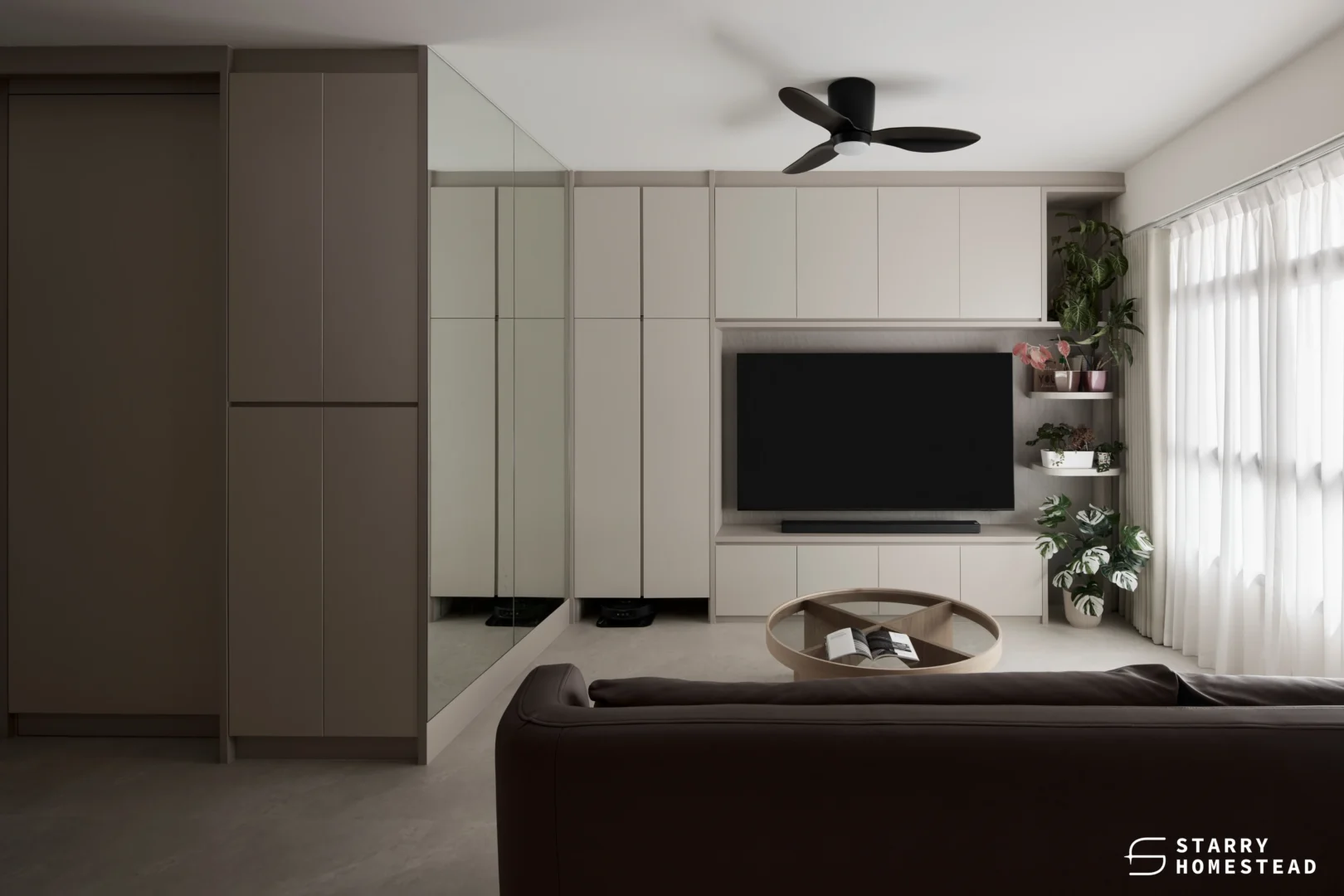
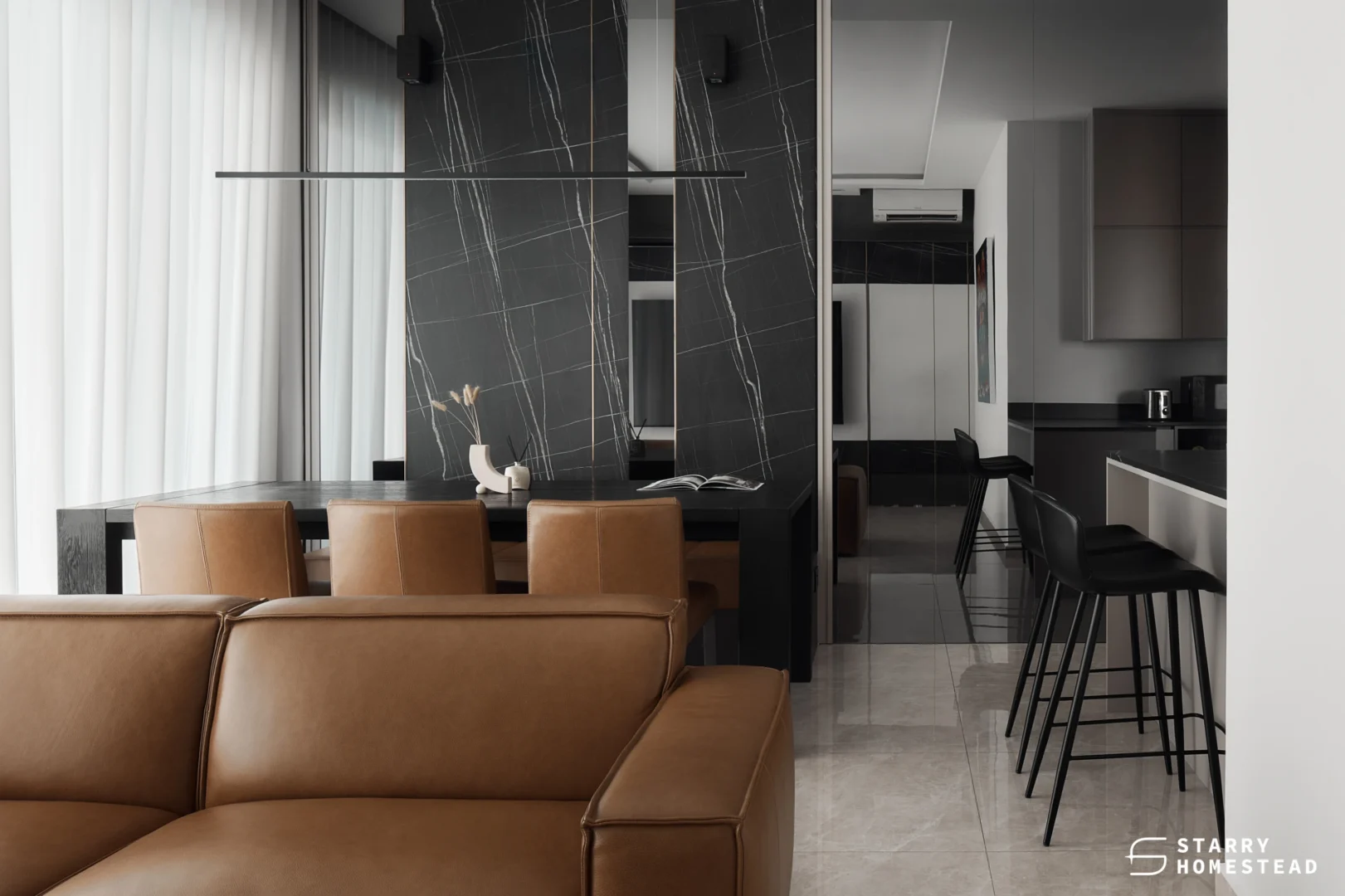
- Built-In Mirrored Panels: Integrating mirrored panels into joinery is a form of mirror wall interior design that adds depth without consuming floor space, and works naturally within a considered cabinetry scheme.
- Fluted or Textured Panels: These add dimension while softening the reflective surface, making them a good option where the effect of a mirror is wanted without the starkness of a plain flat sheet.
Frames, Shapes and Styles to Consider
- Frameless: Suits minimalist and modern contemporary interiors. The mirror recedes into the wall without drawing attention to its edges.
- Timber Frames: Add warmth and pair naturally with Japandi and Scandinavian-influenced spaces.
- Metal Frames: Brass, black, or brushed nickel introduce a deliberate, refined detail without heaviness.
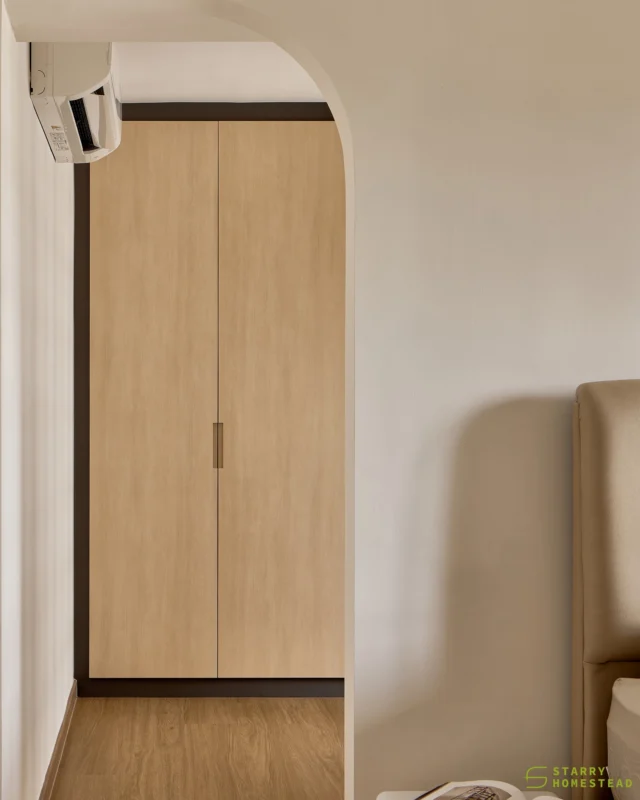
- Arched Mirrors: A defining shape in contemporary mirror interior design. They soften angular rooms and add architectural interest.
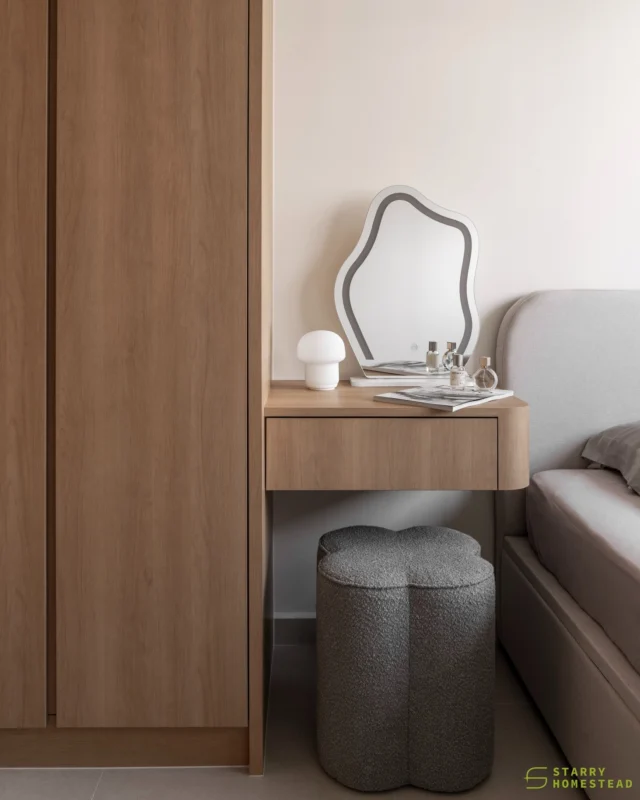
- Irregular and Organic Shapes: Best suited to eclectic spaces where personality is the design priority.
Mirrors as a Design Decision
A mirror chosen and placed with care does far more than reflect. It shapes how a room feels to live in, and that effect is achievable in homes of any size or layout.
Starry Homestead provides interior design in Singapore across HDB, condominium, and landed homes. If you would like a home designer in Singapore to explore how mirrors and other design elements might work in your space, our designers are happy to take you through the possibilities.