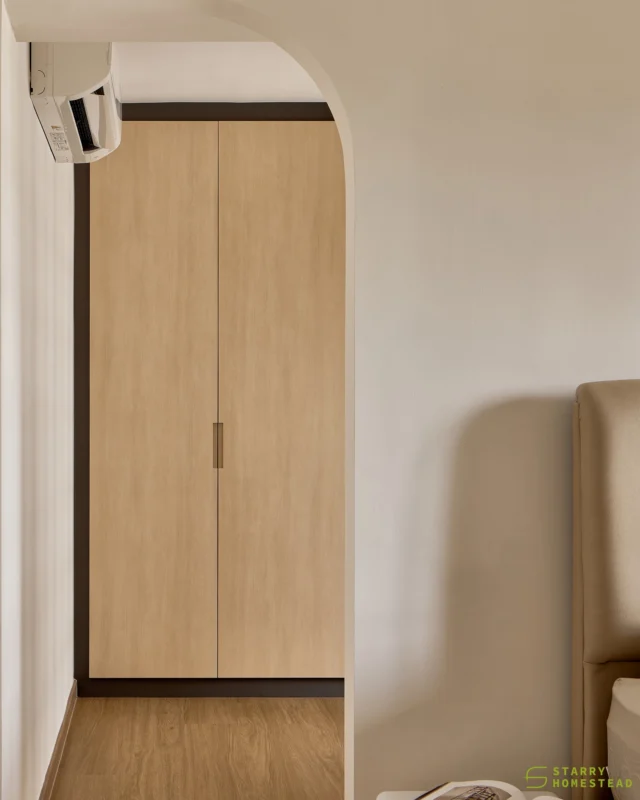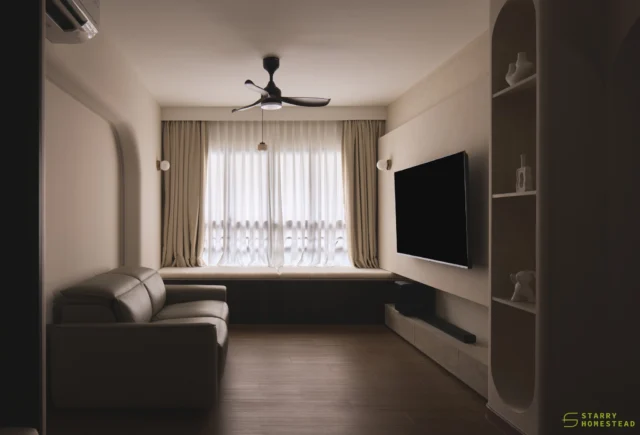
Eclectic interior design is one of the most personal approaches to styling a home. It draws from multiple design movements, periods, and influences to create something layered and distinctly personal. What defines it is not the absence of rules but the presence of intention. A unifying thread runs through every choice and holds the whole together. This guide covers what the style involves, what makes it cohere, and how to execute it with intention.
What Is Eclectic Interior Design?
What separates eclectic design from a room that simply looks unplanned is that connecting thread. It might be a colour palette running through otherwise contrasting pieces, a material that recurs in different forms, or a consistent quality of finish. Without it, the space stops reading as curated.
It is worth distinguishing this from maximalism. Maximalism embraces abundance as the aesthetic. Eclecticism is more selective. A space can be restrained while still drawing from several sources, provided each piece earns its place.
What Defines the Eclectic Style
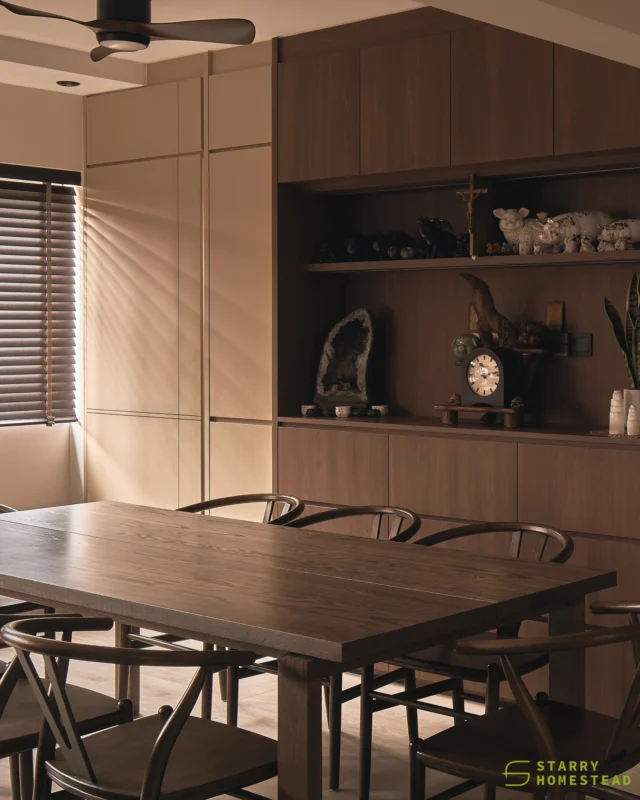
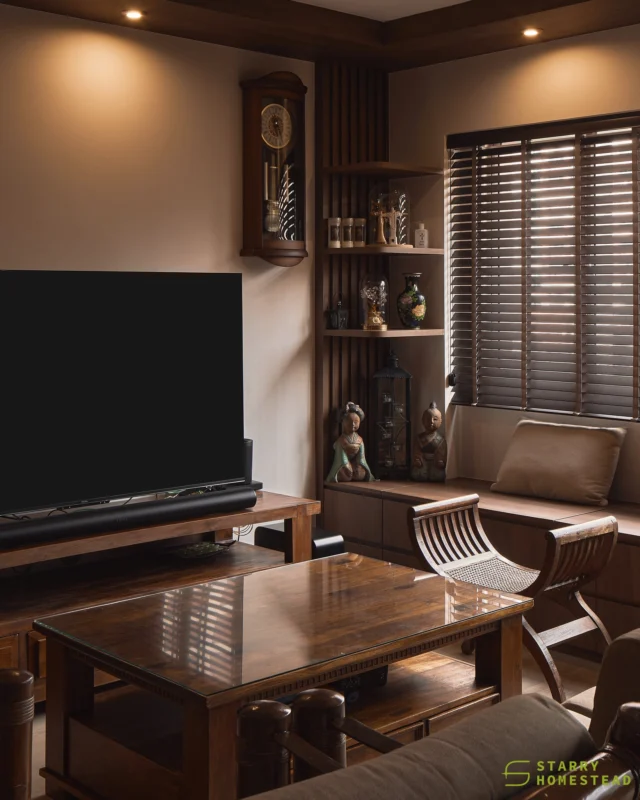
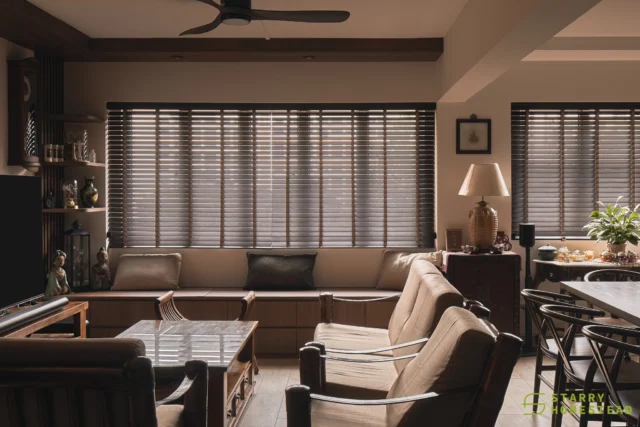
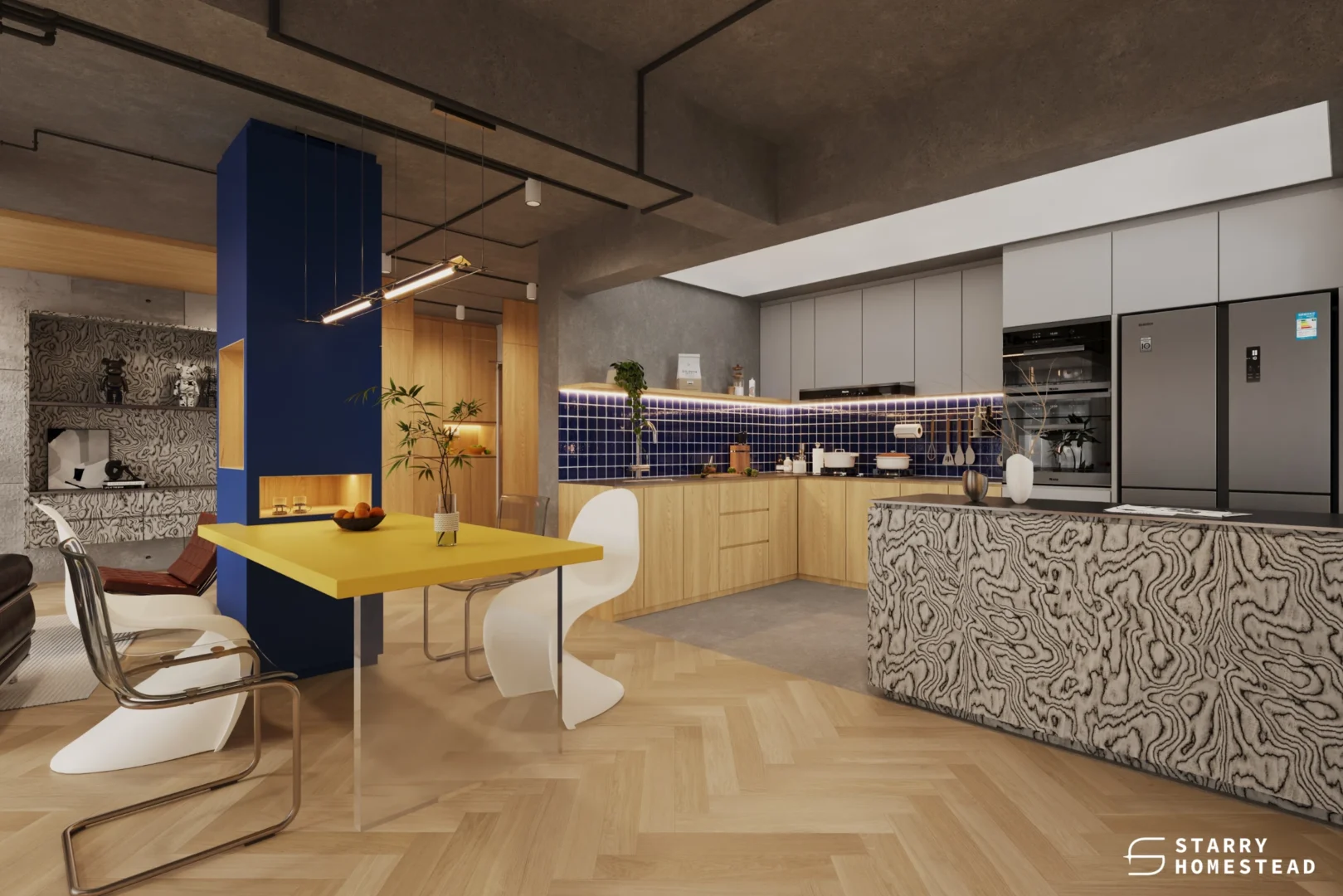
The eclectic style is built on contrast handled with care. Vintage pieces sit alongside contemporary furniture, rough textures appear next to smooth surfaces, and ornate forms share a room with minimal ones. A strong personal narrative runs through the space, with every item reflecting a deliberate choice rather than a default.
Colour ties together elements that would otherwise compete. Without a considered palette, contrast tips into visual noise.
How to Balance Eclecticism Without Losing Cohesion
The most reliable starting point is an anchor: a dominant colour, a repeated material, or one style that other elements respond to.
- Contrast with Purpose: Pair rough with smooth, ornate with minimal, old with new. Treat each pairing as a decision, not a coincidence.
- Limit Focal Points: Too many statement pieces in one zone cancel each other out. Eclecticism works best when the eye has somewhere to rest.
- Respect Scale: Proportion matters in an eclectic theme interior design as much as in any considered scheme. Mismatched furniture heights and depths undermine even well-chosen pieces.
Restraint is what separates a considered eclectic space from one that reads as overwhelming.
Eclectic Interior Design in Singapore Homes
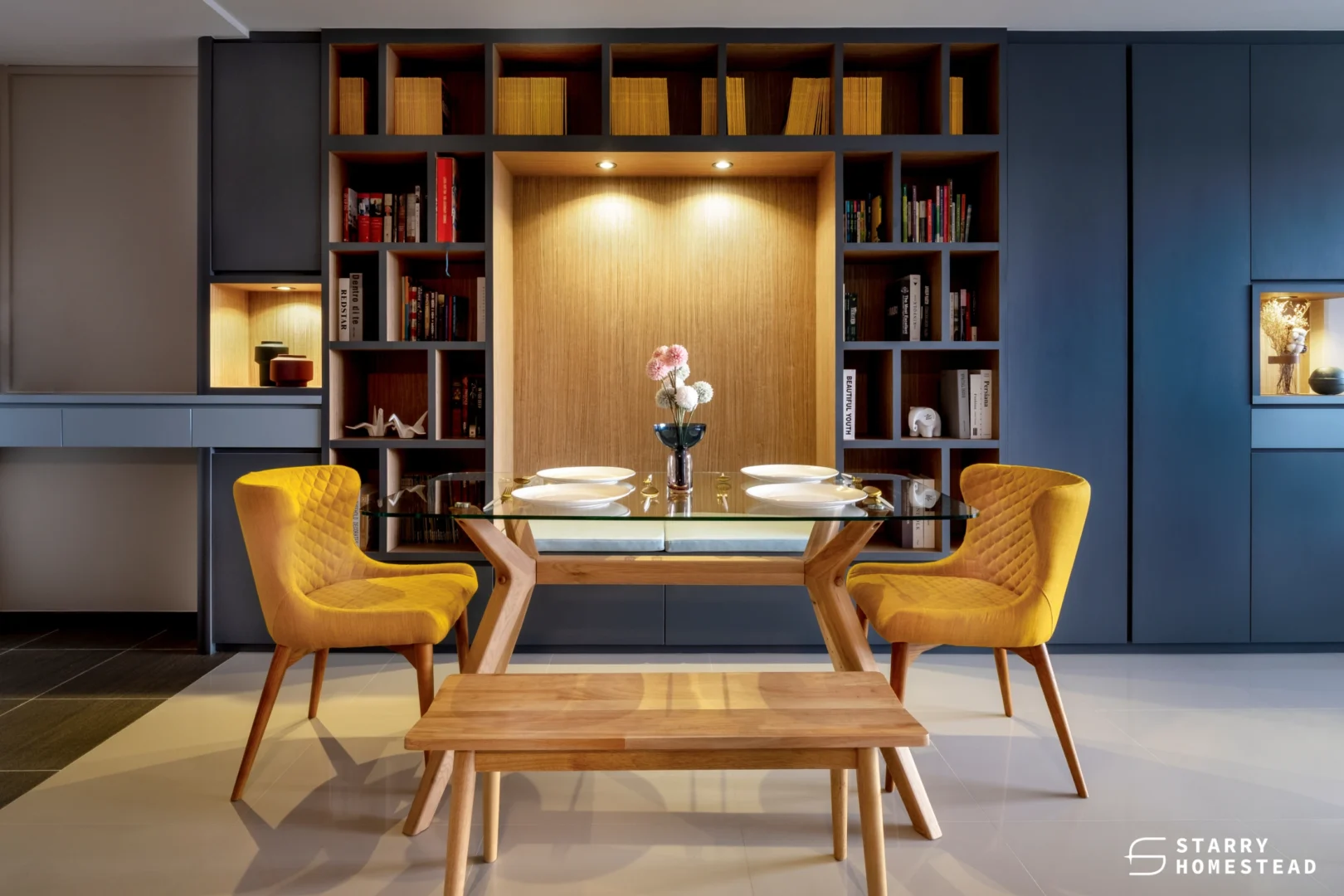
Modern eclectic interior design translates well across Singapore’s range of property types. In BTO interior design, selective layering prevents the style from feeling crowded in a compact floor plan. Interior design for condo units offers more flexibility to build visual narrative across open-plan zones. Landed house design in Singapore allows eclecticism to develop across multiple levels and spaces.
For homeowners exploring eclectic interior design in Singapore, the cultural references present in daily life provide genuine material to draw from.
Common Mistakes to Avoid
The most common error is treating eclecticism as permission to place unrelated items together without a connecting thread. A second mistake is overloading a space with statement pieces. Each one loses impact when competing with others. Neglecting scale and ignoring the architectural context of the home are equally disruptive. Eclectic styling should work with the space it occupies, not against it.
Bringing Your Eclectic Vision Together
Eclectic interior design rewards homeowners who know their own tastes and are willing to invest in building a space that reflects them. The style requires more considered planning than it appears. The absence of a single governing aesthetic does not mean the absence of discipline.
Starry Homestead has experience helping homeowners translate a personal vision into a cohesive, well-executed interior across a range of property types. If you are drawn to eclecticism, speak with our designers to explore what it could look like in your home.