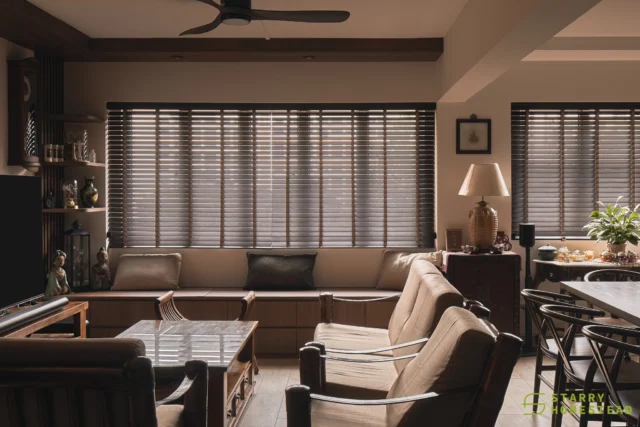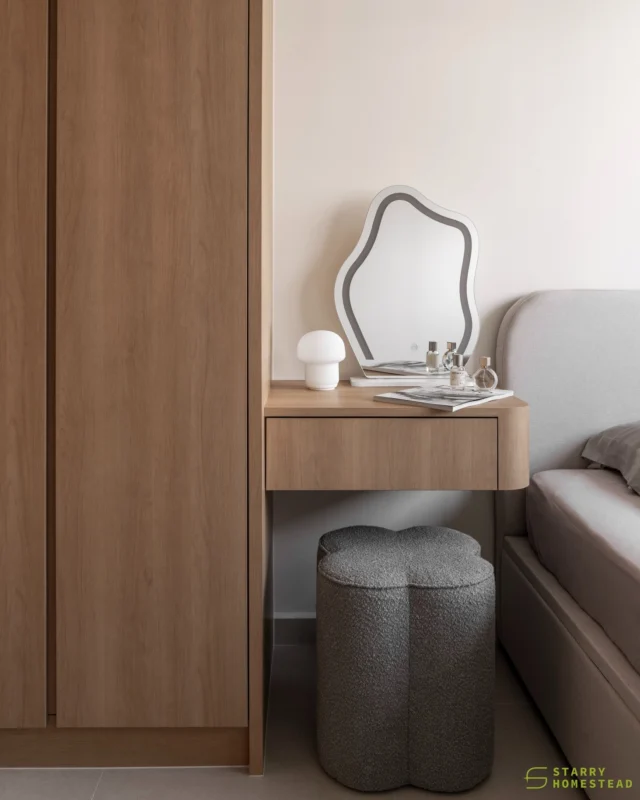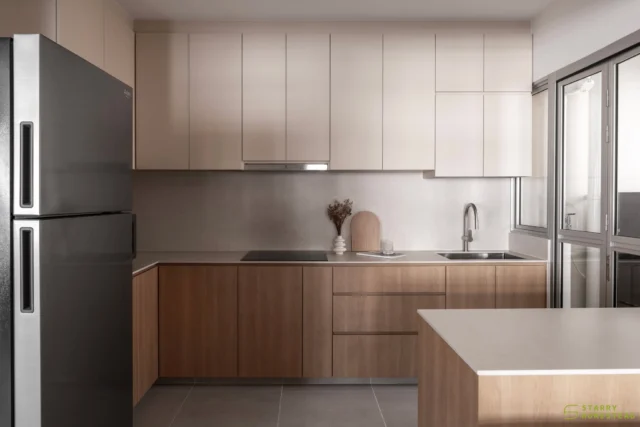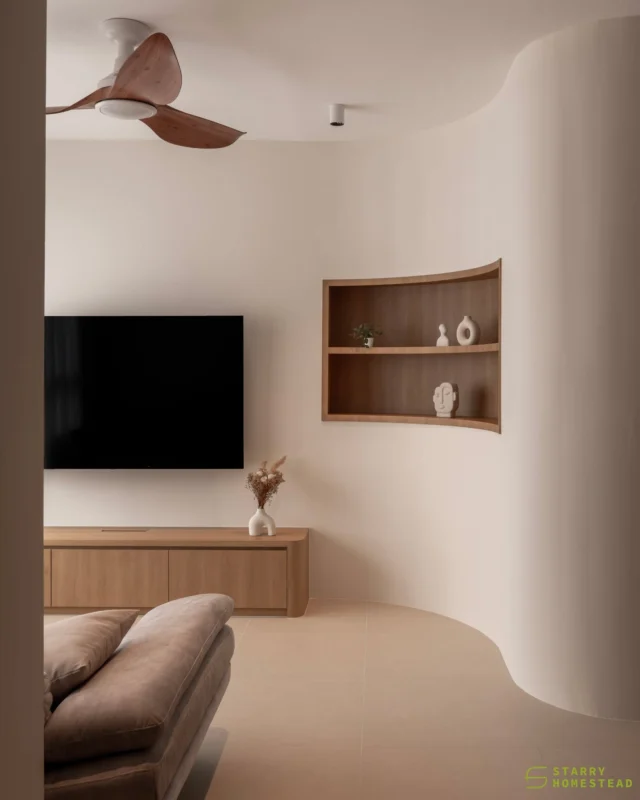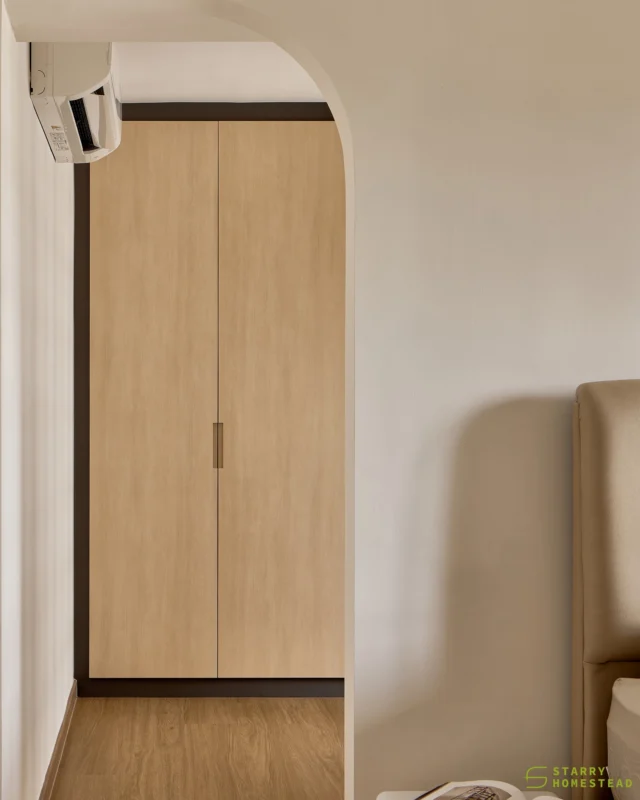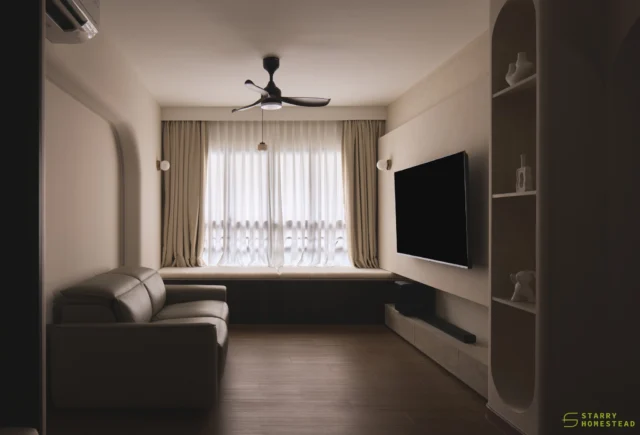
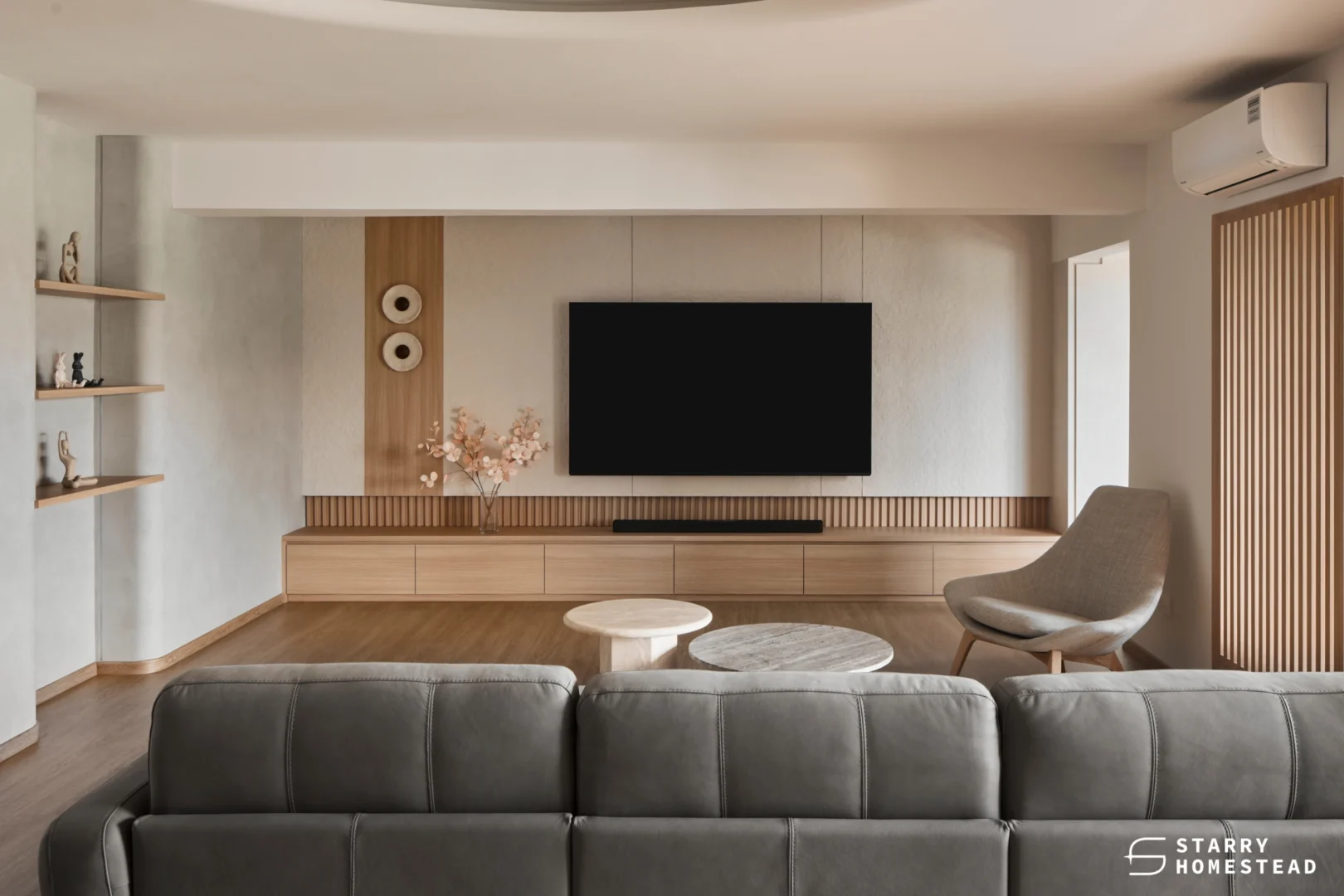
Limewash paint is finding its way onto more walls in Singapore homes, and it is easy to see why. Where a standard painted wall gives flat, uniform colour, limewash carries depth and a handcrafted quality no roller finish reproduces. This guide covers what limewash is, where it works, and what to expect.
What Is Limewash Paint?
So, what is limewash paint? It is a water-based finish made from slaked lime, absorbed into the wall surface rather than sitting on top of it, the way ordinary emulsion does. The result is a layered, matte finish with natural tonal variation, so no two walls read exactly alike. Limewash has been used in European interiors for centuries and has found renewed relevance in contemporary Singapore homes.
Why Limewash Walls Make a Compelling Design Choice
Limewash suits a number of interior styles. The limewash paint homeowners choose most often appears in Wabi-Sabi, Japandi, Mediterranean, and quiet luxury schemes, where texture carries as much weight as colour. It is also breathable and naturally resistant to bacteria, a genuine advantage in Singapore’s humid climate. A limewash wall carries a handcrafted quality a machine-applied finish cannot replicate, since each coat is worked by hand.
Where to Use Limewash Paint in Your Home
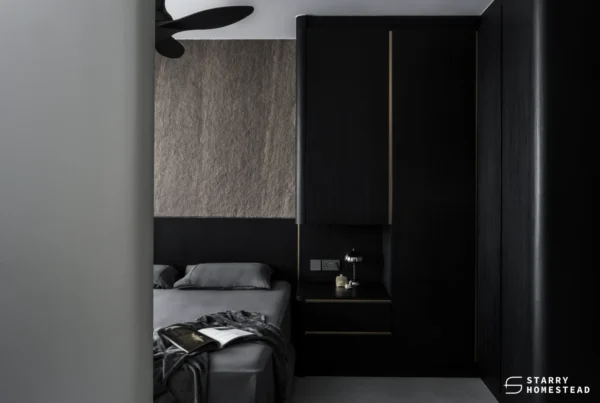
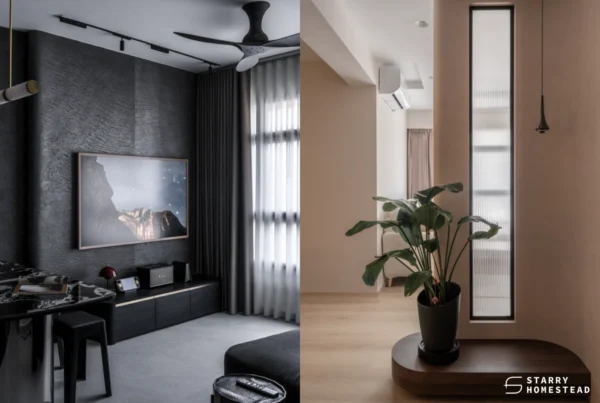
Living room and bedroom feature walls see the most impact, where a single limewashed surface can anchor the room. Dining areas benefit too, adding warmth without overwhelming a smaller footprint. Bathrooms can work well with proper sealing and ventilation. Surfaces prone to scuffing or frequent wiping, such as hallways or walls near a stove, are less suited. Placement should always sit within the broader material palette rather than as an isolated decision.
Colours, Tones, and Finishes to Consider
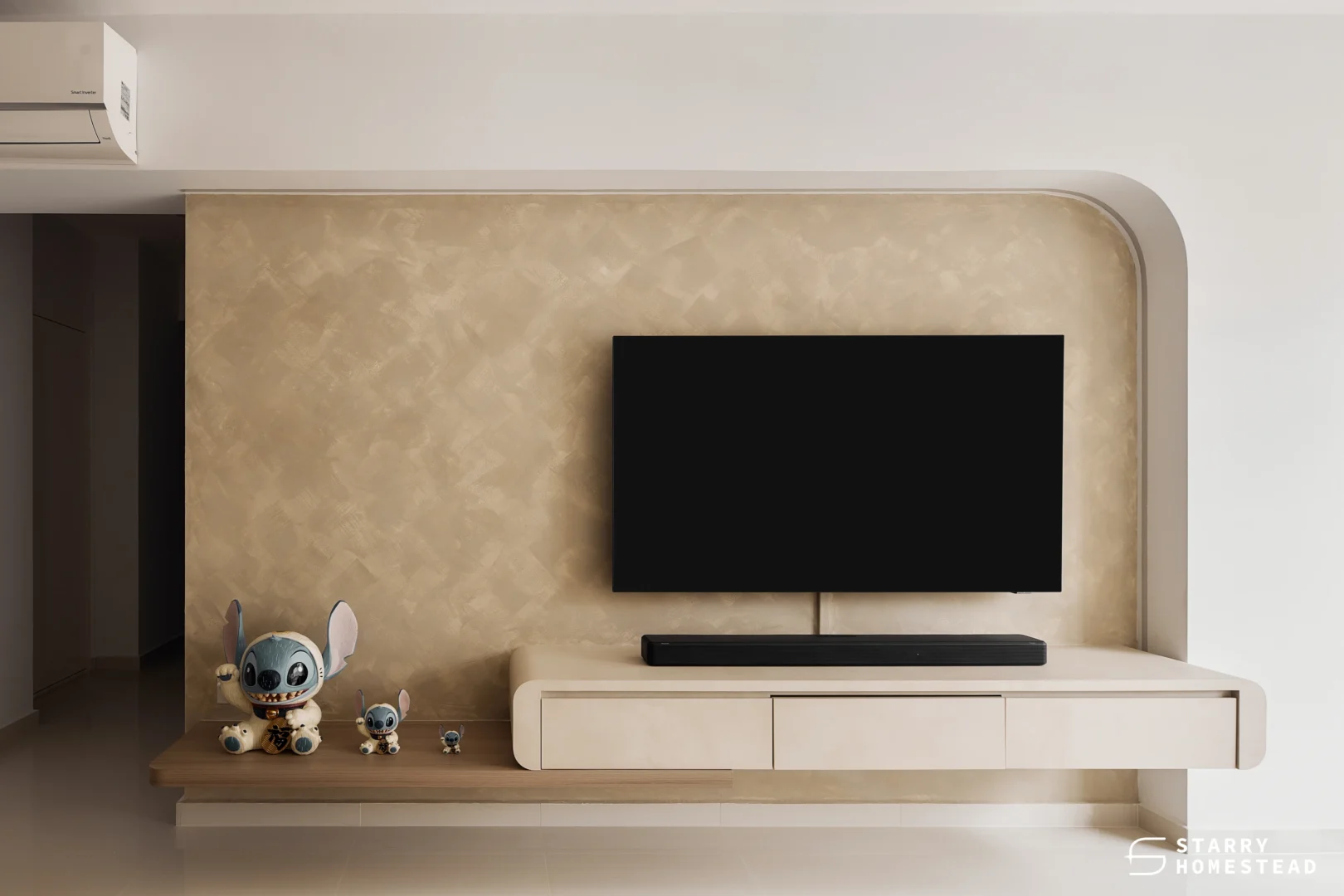
Limewash spans a wide range, from chalky whites and warm neutrals through to deeper ochres, greens, and blues. Colour reads differently under natural light than under artificial light, which makes viewing a sample at different times of day worthwhile. The number of layers applied shapes the outcome, too: more layers create greater depth; fewer keep the surface flatter. Tone selection should follow the room’s existing palette and how much natural light it receives.
Practical Considerations Before You Commit
Limewash asks more of the process than standard paint. A few things are worth knowing before you commit.
- Application Process: How do you limewash your walls? Several thin coats are brushed on in overlapping, irregular strokes rather than rolled flat, which is more involved than standard paint.
- Surface Preparation: Existing painted walls need proper preparation before limewash will adhere correctly.
- Suitable Surfaces: The finish works best on porous surfaces such as plaster, brick, and render, not every wall type.
- Wall Condition: Uneven or patched walls will show through, so surface condition matters as much as the paint.
- Professional Application: Working with a professional keeps results consistent across larger walls.
How Long Does Limewash Last and How to Care for It
So, how long will limewash last? A well-applied finish holds up for many years with reasonable care. Colour and texture soften gradually over time, generally regarded as part of its character rather than a defect.
To clean, use a soft, lightly damp cloth and avoid abrasive materials. Touch-ups blend into the surrounding surface more naturally than with conventional paint, which makes ongoing maintenance genuinely more forgiving.
Is Limewash Right for Your Home?
Limewash rewards proper preparation, considered colour selection, and careful execution. Get any of the three wrong and the finish shows it.
Starry Homestead is a home interior design Singapore studio trusted across HDB, condominium, and landed projects, and an interior design firm Singapore homeowners return to for exactly this kind of finish decision. Speak with our designers to see whether limewash suits your home.